

Is a Roof Leak a Real Emergency in Mason City, IA?
Yes — an active roof leak is a roofing emergency that needs same-day attention to prevent structural damage, mold growth, and ruined insulation. Even a small leak can cause thousands of dollars in interior damage within 24 to 48 hours if left untreated. In Mason City, where storms and ice dams hit hard, Trusted Mason City roofers and roofing experts know that fast action protects both the building and any insurance claim you plan to file.
- Water reaching electrical systems, insulation, or ceilings requires immediate professional response
- Emergency tarping stops active intrusion until a permanent repair can be completed
- Document all damage with photos before moving anything — your insurance carrier will need them
What Counts as a Roof Emergency in Mason City
A true roof emergency is any situation where damage is active, water is entering the building, or the structure has been compromised. If you can see daylight through your roof, hear water dripping inside, or notice metal panels lifting in the wind or membrane edges pulling away, you are dealing with an emergency that needs same-day attention.
Mason City's severe spring storm season and winter ice dam events produce most of the after-hours emergency calls we get across Cerro Gordo County. When in doubt, call. Waiting until business hours often turns a $500 repair into a $5,000 interior damage claim.
- Active leaking inside the home or commercial building
- Visible structural damage or sagging from the attic or interior
- A fallen tree or large branch in contact with the roof
- Metal panel damage or fastener failure exposing decking to weather
- Membrane tears or open seams on a flat commercial roof during rain
- Ice dam damage with water entering through soffits or ceilings

What to Do the Moment You Discover a Roof Leak or Storm Damage
The first few minutes matter. Stay calm and work through a short checklist instead of trying to fix the roof yourself. Move valuables and electronics away from the leak area. Place buckets, towels, or a tarp on the floor to contain water. Take photos of every damaged area before you move anything — your insurance carrier will need that documentation.
Do not climb onto a wet or icy Mason City roof. North Iowa storm conditions make DIY roof access dangerous, and any additional damage you cause during an attempted DIY repair can void your insurance claim. Call a licensed roofer first.
- Move valuables, electronics, and furniture away from the leak
- Contain water with buckets, towels, or plastic sheeting
- Photograph all damage — interior and exterior — before moving anything
- Shut off electrical power to affected rooms if water is near outlets or fixtures
- Call a licensed Mason City roofing contractor for emergency response
- Wait to call your insurance carrier until after the contractor has documented findings
How Emergency Roof Tarping Works and How Long It Holds
Emergency tarping is a temporary weatherproofing measure used to stop active water intrusion when a permanent repair cannot be completed immediately. We use heavy-duty waterproof tarps secured with weighted edges and mechanical fasteners designed to hold through Iowa weather. A properly installed tarp covers the damaged area plus enough surrounding roof surface to direct water away from the failure point.
Iowa wind speeds will tear an improperly installed tarp loose overnight. We do not staple a tarp down and leave. Professional tarping uses anchored fasteners along the roof edges and a layered approach that holds through high wind events. A professionally installed emergency tarp typically holds for 30 to 90 days depending on conditions. It is a stopgap — not a fix. Permanent repair should be scheduled as soon as weather and material availability allow.
What Happens During an Emergency Roof Repair Visit
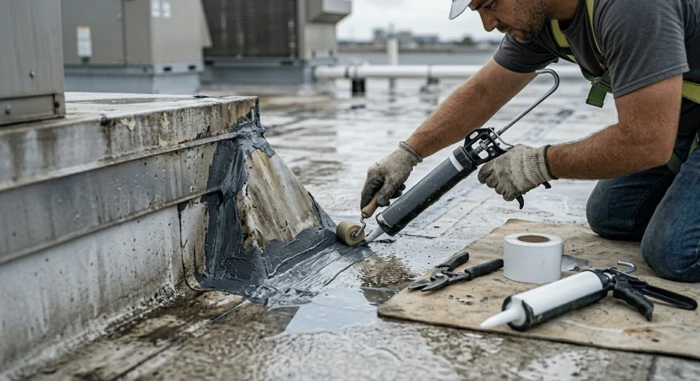
When we arrive, the first priority is stopping active damage. We assess the leak source, check for any structural concerns, and decide whether to perform an immediate repair on-site or install an emergency tarp until permanent work can begin. You get an honest answer about what can be done safely that day — not a vague promise.
Emergency visits in Mason City often happen in difficult conditions. High winds, rain, freezing temperatures, or ice on the roof surface limit what can be safely completed. A licensed contractor will tell you when conditions require a follow-up appointment instead of pushing through unsafe work.
- Arrival and immediate damage assessment
- Photo documentation of all damage areas
- Emergency tarping or on-site stabilization
- Interior damage check if accessible
- Written findings report and permanent repair plan
- Scheduled return appointment for the full repair
How to File an Insurance Claim After Emergency Roof Damage in Iowa
Document everything before you make any calls. Photos of interior damage, photos of exterior damage, photos of any debris that struck the roof, and the date and time the damage occurred. The more documentation you have, the stronger the claim.
Call a licensed contractor first to stop the damage and create a written report. Then call your insurance carrier. Adjusters rely on professional documentation to assess what is covered. Do not sign a full repair contract until the adjuster has visited and the claim is approved. Storm chasers often pressure homeowners to sign before the carrier has weighed in — that is a red flag in Iowa.
- Photograph all damage immediately — interior, exterior, and surroundings
- Call a licensed Iowa roofing contractor for emergency response
- Get a written contractor report with photos and storm date documentation
- Call your insurance carrier to open the claim
- Save all receipts for emergency expenses
- Wait for the adjuster visit before signing repair contracts beyond emergency stabilization
How to Reduce the Risk of a Roof Emergency Before Storm Season Hits
Most roof emergencies are not random. They happen at the weakest point of an already-stressed system — a clogged gutter that caused an ice dam, a flashing seam that has been leaking slowly for two seasons, a tree branch that has been rubbing the roof for years. A pre-season inspection finds those weaknesses before the next storm exploits them.
Late March through May is Mason City's highest-risk window for severe storm damage. Scheduling a free inspection every April puts a licensed roofer on your roof before the worst weather arrives — not after.
- Clear gutters and downspouts before spring rain begins
- Trim branches that overhang or touch the roof surface
- Check and reseal flashing around chimneys, skylights, and vents
- Schedule a free professional inspection every April
- Replace any pipe boots showing visible cracking or rubber failure