
Mason City, IA & North Iowa
The 25% Rule: How It Affects Your Replacement Project
How the 25% Threshold Is Actually Calculated
Okay, this part gets a bit tangled for some. The 25% rule sounds easy enough. It really isn't, though.
The calculation starts with what a full roof replacement costs today. Not what you paid ten years ago. Not what your neighbor spent last season. We're talking current material and labor rates, the true market value. The Mason City building department uses this exact figure as their baseline.
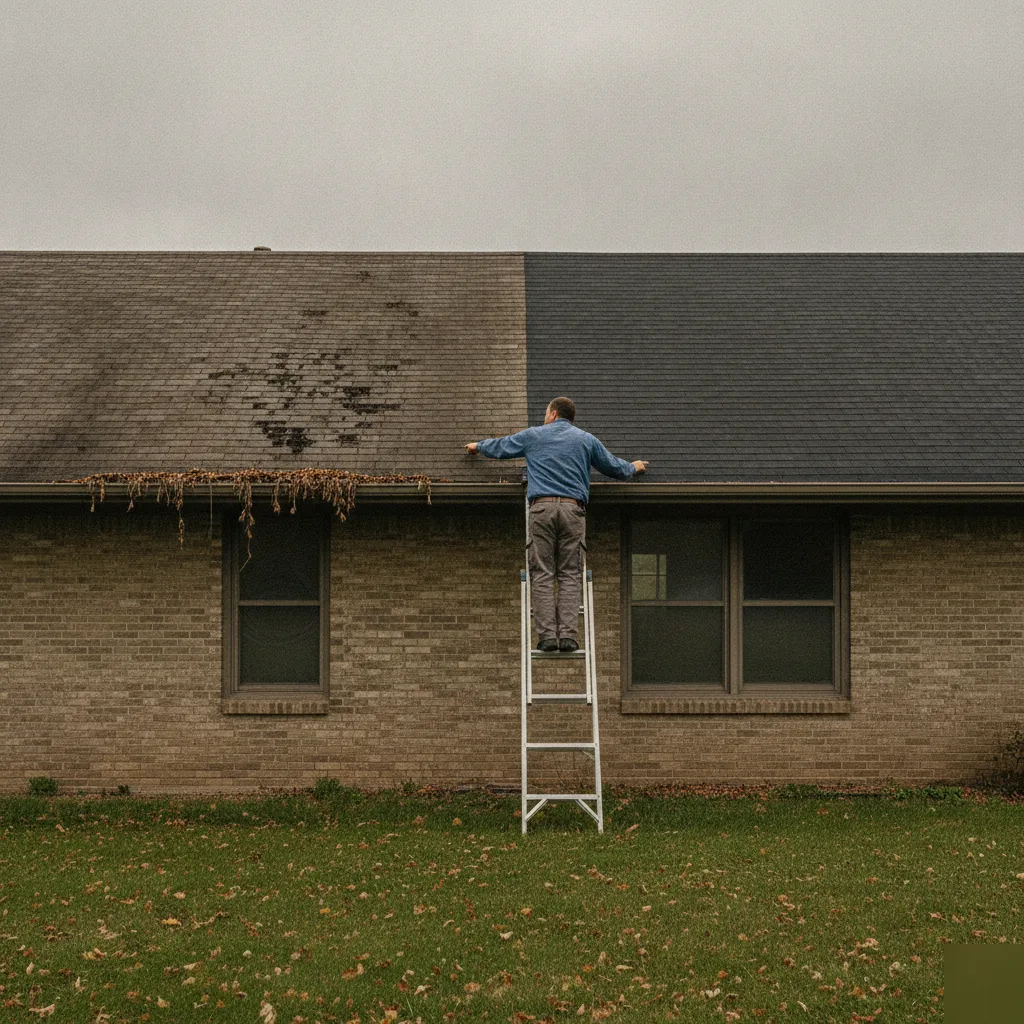
From there, you figure the numbers like this:
- First, find the current replacement cost for your roof system.
- Take that number, multiply it by 0.25. That's your dollar cap.
- Then, add up all the repair work you've done on that roof in the last year.
- If those repair costs hit or go over your 25% cap, then a full roof replacement to current code is triggered. No way around it.
- When you file your permit, know the new roof must meet every current building code.
Seems simple, right? But those little details? They change everything.
What Counts Toward That 25%
Here's the straight talk, most contractors won't even mention this. Almost every repair counts. Storm damage roof repair. Flat roof repair. Even patching around vent pipes. If you pulled a permit or paid for the work, the building department can add it to your total. We've seen Mason City building owners do a minor fix in March. Then another after a summer storm. Then one more patch in October. Each felt small. But together? They shot right past the 25% line.
And this is what catches people. The 12-month window keeps rolling, yes. But those repairs pile up faster than you'd think. A $4,000 flat roof repair. Add a $3,500 leak fix. Then an emergency roof repair after one of those Mason City hailstorms hits. That total on any commercial building just rockets up.
How Replacement Value Gets Determined
This replacement value isn't your building's total market worth. It's just the cost to tear off the old roof and install a brand new one. For a commercial flat roof in Mason City, that figure changes. Square footage matters. So does the membrane type, TPO, EPDM, or PVC. Current North Iowa labor costs play a big part. The International Code Council says local areas use contractor quotes or valuation tables. It's standard practice.
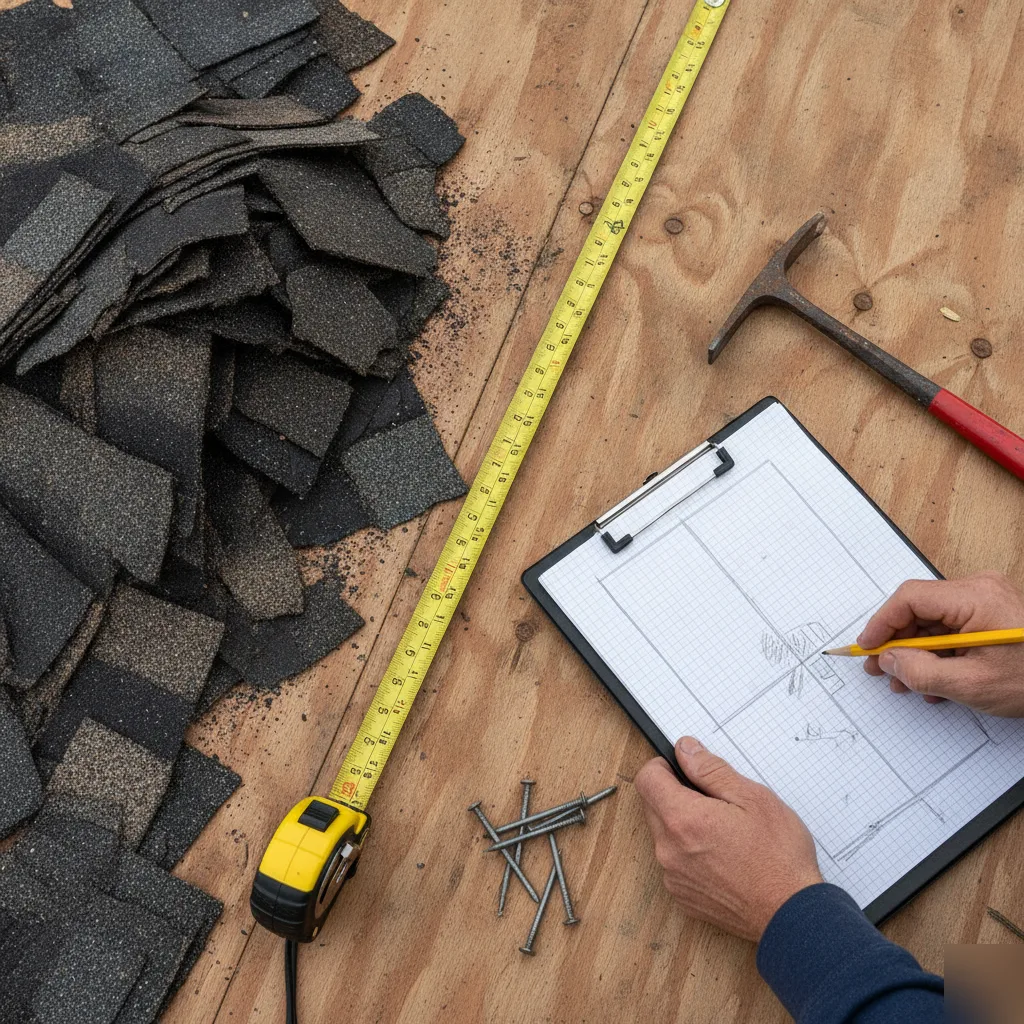
Say your commercial building has a 10,000-square-foot flat roof. Its replacement value today is $80,000. Your 25% limit then becomes $20,000. Spend that much on repairs within a year? You're facing a full roof replacement. That's the rule.
Here's a situation we see too often. An owner does $18,000 in repairs. They think they're safe. Then a small leak shows up somewhere else. That $2,500 roof leak repair pushes them past the limit. Now, a full tear-off and new installation is a must. All to today's energy and fire codes.
But there's another angle. Knowing your real threshold puts you in control. You can plan repairs smarter. Maybe spread them out. Or, even better, budget for that full roof replacement before someone else forces your hand.
One more detail people miss. The 25% rule doesn't care if work is cosmetic or structural. A repair is a repair to the code. David has personally inspected countless commercial roofs where owners assumed only big structural fixes counted. They were wrong. It led to big headaches and unexpected bills.
If your numbers are still unclear, a free roof inspection clears it up. We give you the plain numbers. Before you spend another penny on repairs.
Projects That Commonly Trigger the 25% Rule
Not every roofing job lands you in the 25% rule mess. A small flat roof patch? Usually fine. But the projects that always catch building owners off guard? They feel routine. Until the real costs stack up, that is.
Here's what we see causing it most often. Right here in Mason City.
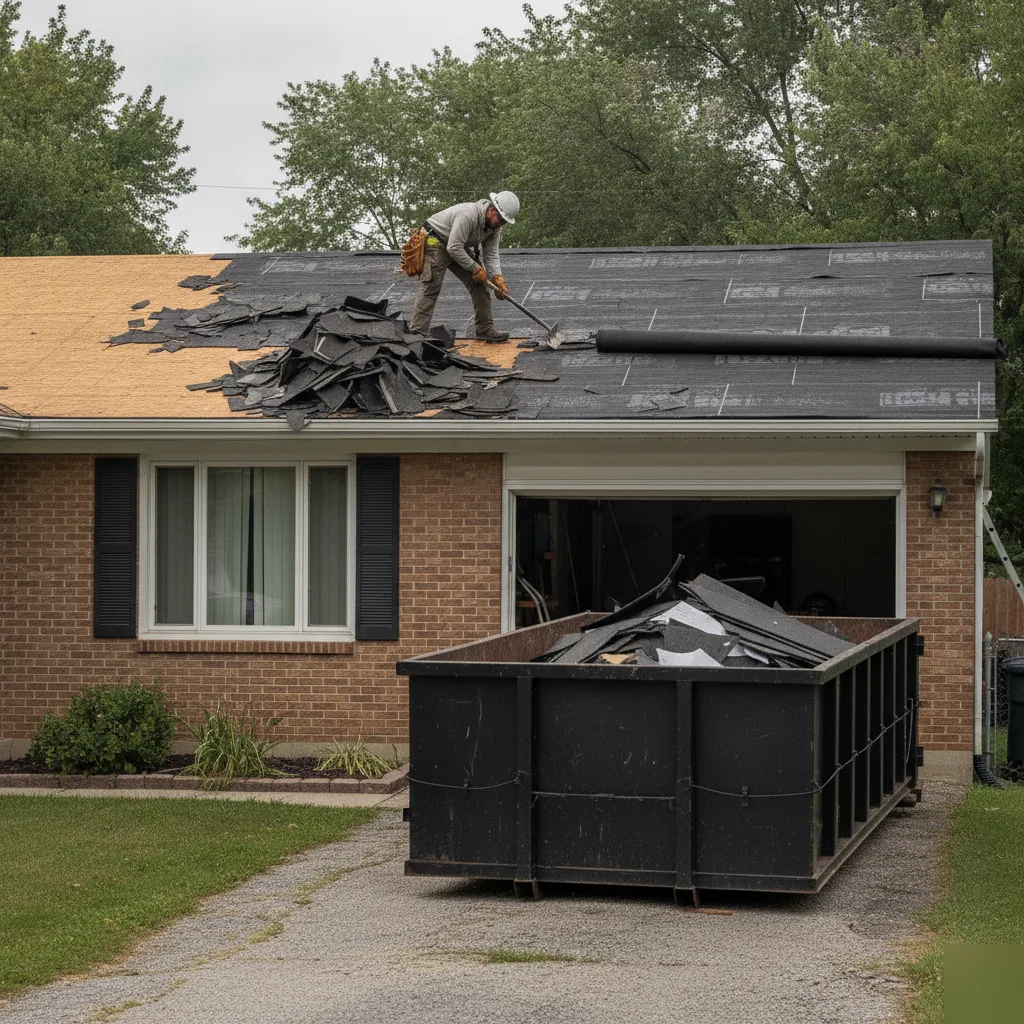
Full Roof Replacement on Older Commercial Buildings
This is a main trigger. Your commercial building sits downtown, maybe by the North Federal Avenue corridor. Chances are, it's old. Forty, fifty years easy. A full commercial roof replacement there can quickly hit 25% of the entire structure's worth. Once that number is met? The whole building might need code updates. Not just the roof. The entire structure below it.
We've seen this happen. Owners plan for a basic TPO roofing installation. They think that's the end. Then they find they need new electrical. Updated exit doors. Even accessibility ramps. That's the 25% rule hitting hard. It's a tough lesson.
Storm Damage Roof Repair That Grows
Iowa weather means business. A harsh hailstorm tears through Mason City, and suddenly your warehouse or retail space needs real storm damage roof repair. The insurance adjuster comes by. The claim seems manageable at first, doesn't it?
But then we pull back the old membrane. We find rotted decking. Insulation soaked through. Maybe hidden structural flaws nobody knew about. That repair job grows quickly. Your costs easily cross the 25% line. Most contractors won't tell you this until the work is underway. We give you those numbers upfront. No halfway surprises. That's just our way.
Flat Roof Replacement on Mixed-Use Properties
Mason City has plenty of these buildings. Retail below, apartments above. Mixed-use properties are always tricky. A flat roof replacement might seem like a single project. But the building's total assessed value counts both uses. The roof cost gets measured against the entire structure. That's the snare.
Older buildings near South Federal or the Historic Park Inn district? They're particularly vulnerable. Property values there can be quite modest. Compare that to a solid EPDM roofing installation or a full flat roof replacement. That ratio can flip quickly. Sometimes too quickly.
Projects That Stack Over Time
This one surprises people often. Some jurisdictions track all cumulative work over time. You had a roof coating done last year. Now you need a full roof replacement. Those costs might get combined.
Two different jobs, each under the limit alone, could combine. They push you past the 25% line. It happens a lot. Keep those old permits handy. That's key.
This situation comes up often. An owner phases work, thinking each bit stays safe. Then the permit office calls. They flag the total cost. Suddenly, code upgrades they didn't expect are due. It creates a real problem.
Quick List of Common Triggers
- Commercial roof replacement on structures under $400,000, common in North Iowa.
- Storm damage roof repair, uncovering deep-seated issues nobody expected.
- Flat roof replacement after interior updates, since those costs can add up.
- Metal roofing installation on any older industrial spot or farm building around Mason City.
- Any job where the scope just grows, driving costs past the first estimate.
The pattern here is clear. Older buildings. Bigger jobs. Or hidden damage nobody expected. These push projects over the line. And in Mason City, with many commercial buildings decades old, it's a common story. If you're planning a roof replacement, want to know where you stand before any permits are filed, we figure that out during a free roof inspection. See the whole picture from day one. Avoid surprises at the permit office.