
What Is the Best Roof Waterproofing Method in Mason City, IA?
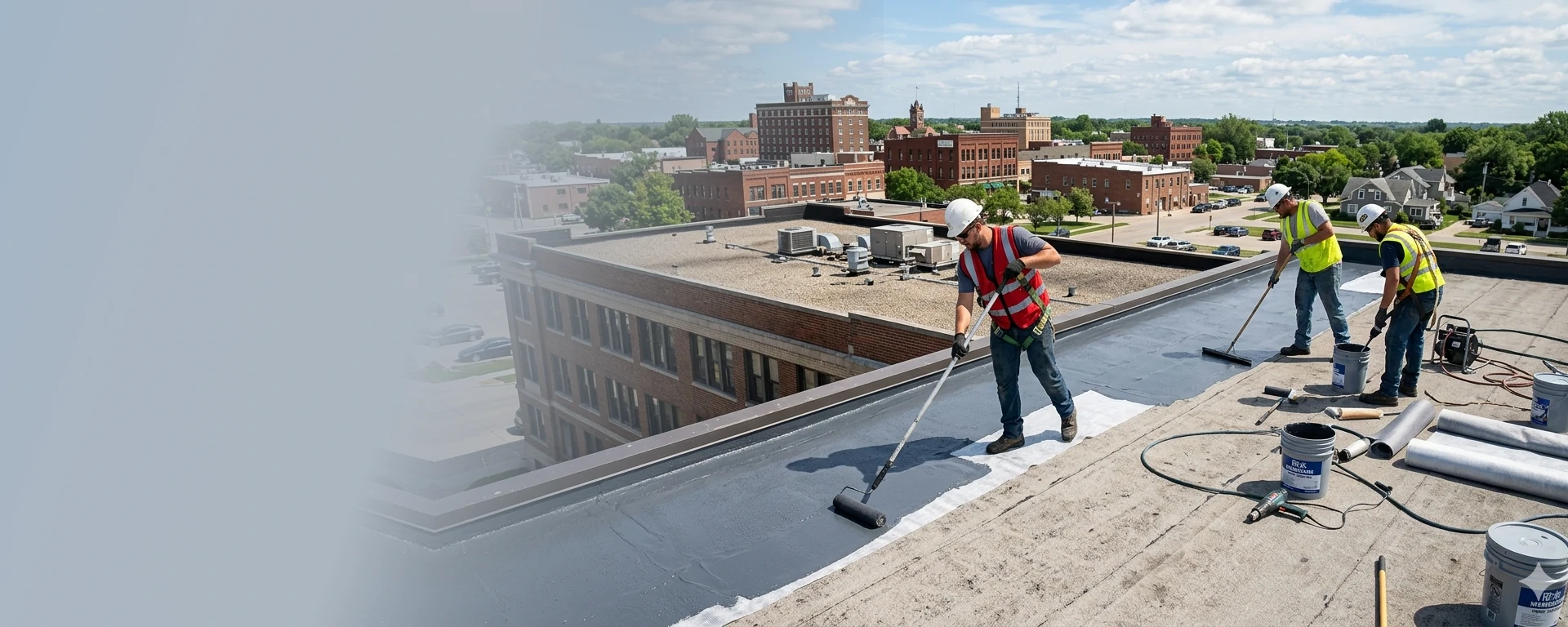
The best Roof Waterproofing Mason City method depends on roof type, slope, and current condition — there is no single product that works correctly on every surface. For flat and low-slope commercial roofs, TPO, EPDM, and modified bitumen membranes provide the most durable long-term waterproofing in Iowa❜s freeze-thaw climate. For commercial low-slope roofs, fully adhered or mechanically fastened membrane systems provide the waterproofing layer that protects against North Iowa❜s freeze-thaw cycles and ice dam conditions.
- Flat and low-slope roofs — heat-welded or fully adhered membrane systems offer the most reliable waterproofing in Iowa conditions
- Low-slope commercial roofs — ice and water shield at transitions, parapets, and penetrations is the critical waterproofing layer under membrane systems
- Spray-on coatings — appropriate only as a temporary extension on sound existing membranes, not a substitute for proper system installation
What Roof Waterproofing in Mason City Actually Covers
Roof waterproofing is not one product or one service — it is a category that covers several different applications depending on roof type and condition. On a commercial low-slope roof, it means self-adhering ice and water shield at every parapet, transition, and penetration. On a flat commercial roof, it means a fully bonded or heat-welded membrane system that seals every seam and detail. On an aging flat roof in decent condition, it may mean a coating system that extends the membrane's useful life by a few more seasons.
Mason City's climate demands waterproofing at transitions and parapets on every commercial roof without exception. Iowa building code requires proper flashing and waterproofing at all roof edges precisely because freeze-thaw conditions create ice dams and water infiltration at vulnerable transition points every single winter. Waterproofing applications by roof type:
- Commercial low-slope roofs — ice and water shield at parapets, transitions, chimneys, and all penetrations
- Flat commercial roofs — TPO, EPDM, or modified bitumen membrane systems with sealed seams and drains
- Aging flat roofs in good condition — elastomeric or acrylic coating systems as a temporary life extension
- All roof types — flashing sealant renewal at chimneys, skylights, HVAC curbs, and pipe boots
- New construction — full underlayment and ice shield system installed to Iowa code before membrane installation
How to Know If Your Mason City Roof Needs Waterproofing or Full Replacement
Targeted waterproofing adds real value when the underlying roof system is structurally sound and the problem is isolated to surface sealing, flashing failure, or eave protection. It wastes money when the system beneath is past its life — widespread seam failures, saturated insulation, or deck rot that a coating will cover but not fix.
The most common and costly waterproofing mistake on Mason City flat roofs is applying a spray coating over a system with widespread seam failures or significant ponding water damage. The surface looks sealed. The moisture underneath continues to destroy the insulation and decking. Decision criteria that separate a waterproofing candidate from a replacement candidate:
- Roof under 15 years old with isolated seam or flashing failures — waterproofing is appropriate
- Roof with active ponding water or widespread membrane failure — replacement is the right call
- Deck showing rot or soft spots when walked — replacement before any coating or membrane
- Coating applied over known seam failures — not a fix, just a delay with added cost
- Free assessment is the only reliable way to determine which category your roof falls into
The Best Waterproofing Methods for Iowa Roofs and Climate Conditions
Iowa❜s climate puts specific demands on every waterproofing product. Heavy snow loads, freeze-thaw cycles, spring hail, and summer heat all affect which products hold and which fail before their rated lifespan. The right method depends on the roof type, the existing system, and what North Iowa weather will throw at it every year.
Self-adhering rubberized ice and water shield is the most important waterproofing layer on any Mason City commercial roof. It goes at all parapets, transitions, and penetrations before membrane installation. Contractors who use standard felt paper in those zones are skipping the product specifically designed to stop ice dam infiltration. Waterproofing methods matched to Iowa conditions:
- Ice and water shield — self-adhering rubberized membrane at parapets, transitions, and penetrations on commercial roofs
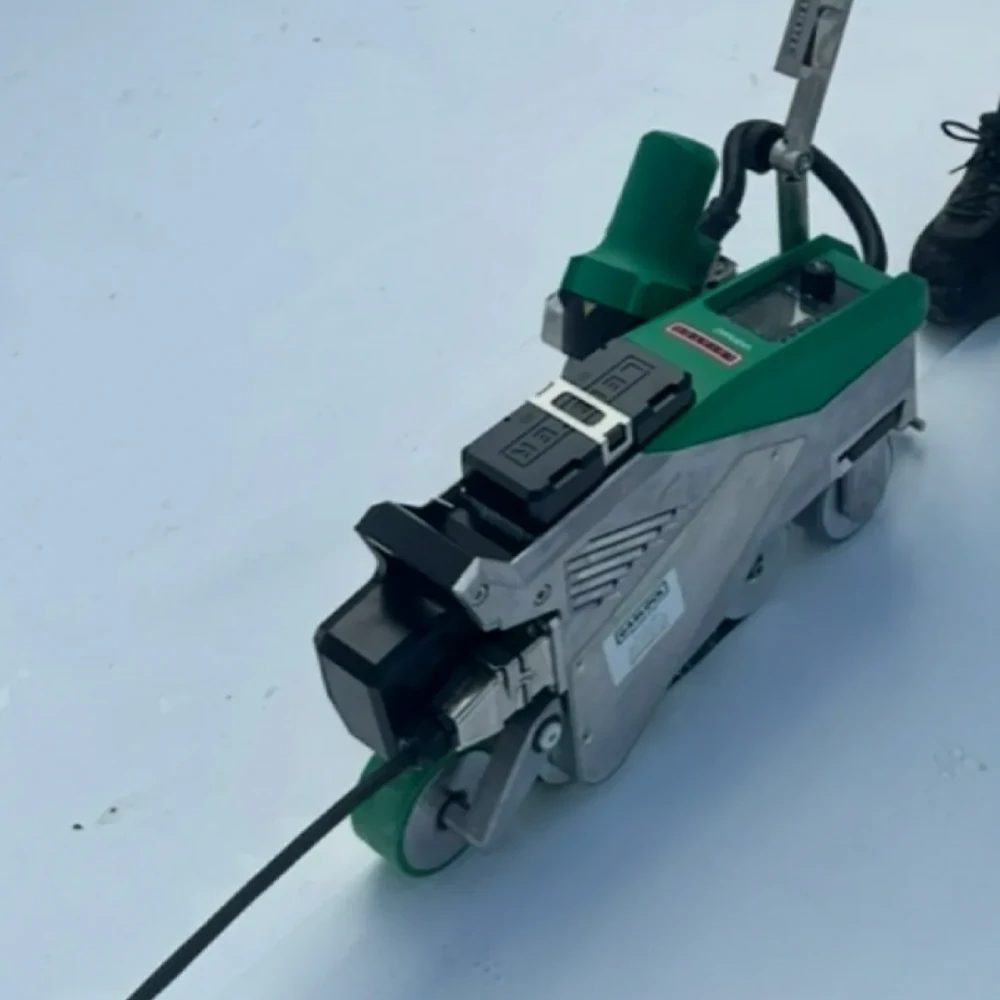
- TPO membrane — heat-welded single-ply system for flat commercial roofs; strong seam performance in freeze-thaw conditions
- EPDM membrane — fully adhered rubber system with excellent cold-weather flexibility
- Modified bitumen — torch-down or self-adhering system for flat roof recovers on older Mason City buildings
- Elastomeric or acrylic coatings — temporary life extension on sound existing membranes only
- Penetration sealants — pipe boot replacements and flashing renewal at chimneys, vents, and skylights
What the Roof Waterproofing Process Looks Like From Start to Finish
The process starts with surface assessment — not product application. Every Mason City waterproofing project begins with a check of the existing surface condition. Loose aggregate, failed adhesion, moisture-compromised substrates, and ponding water all have to be addressed before any new product goes on. Iowa freeze-thaw damage leaves roof surfaces in conditions that prevent new coatings and membranes from bonding correctly unless that prep work happens first. Skipping it is the most common reason waterproofing fails within one or two seasons.
- Free assessment — roof type, condition, and right waterproofing method identified
- Written scope of work — product, coverage, and any required prep or repair
- Surface preparation — cleaning, loose material removal, and any deck or seam repair
- Primer application if required by the product manufacturer
- Waterproofing material application in the correct thickness and coverage
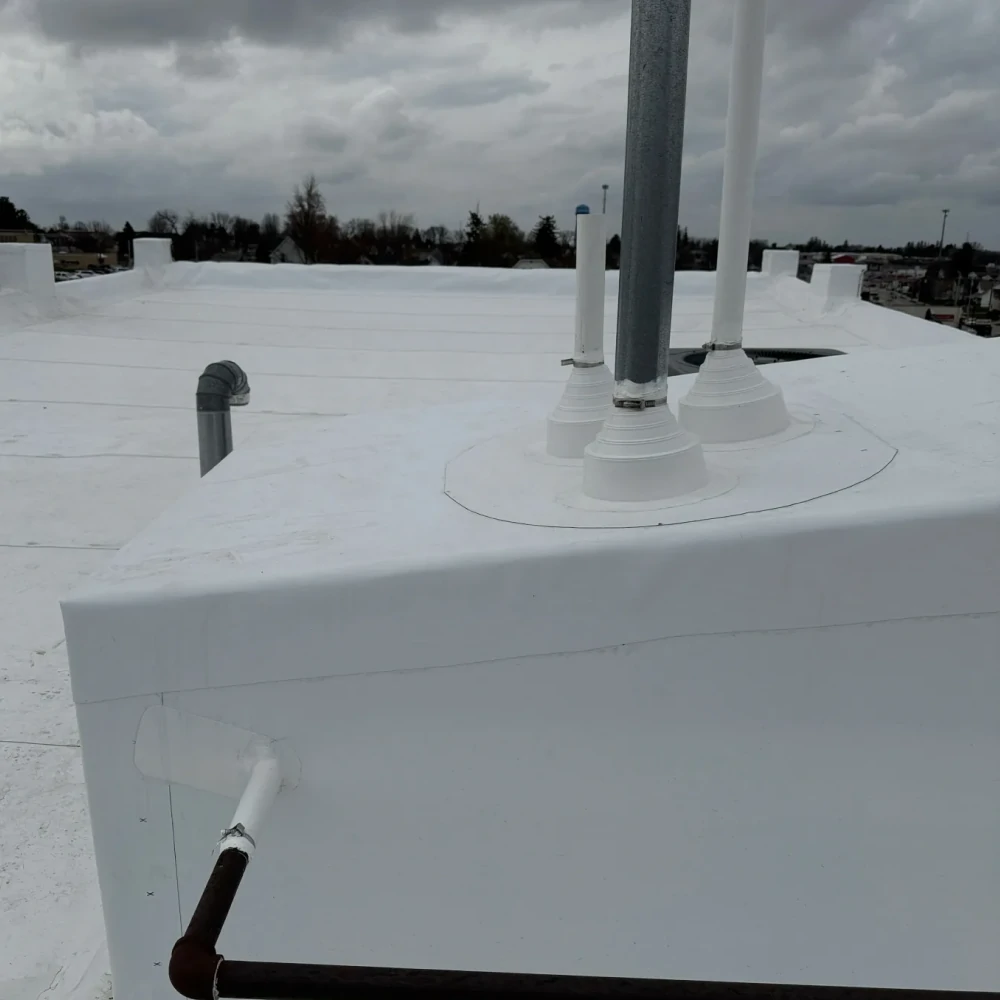
- Penetration and flashing detailing — pipe boots, drains, edge metal, and curbs
- Final inspection and documentation
- Site cleanup
How to Avoid the Most Common Roof Waterproofing Mistakes
Most waterproofing failures in Mason City trace back to shortcuts taken before the product ever goes on. The most frequent commercial mistake is applying acrylic or elastomeric coatings over EPDM or TPO systems without the manufacturer-required primer and surface preparation. The coating looks solid when it goes on. It peels within one to two Iowa winters and leaves the underlying membrane in worse condition than before.
On commercial roofs, the most frequent mistake is using standard felt paper instead of self-adhering ice and water shield at parapets and transitions. Felt paper is not waterproof — it slows water, it does not stop it. One hard Iowa winter with ice dam conditions proves that difference in the worst possible way. Common waterproofing mistakes to watch for:
- Applying any product over wet, dirty, or moisture-compromised surfaces
- Skipping primer when the product manufacturer requires it
- Using coating products that are not compatible with the existing membrane type
- Treating spray coatings as a permanent solution on failing membrane systems
- Neglecting penetration and flashing detailing — seams and transitions leak first
- Substituting felt paper for ice and water shield at parapets and transitions on commercial roofs
- Applying waterproofing over ponding water areas without correcting the drainage
How Long Roof Waterproofing Lasts in North Iowa and How to Extend It
Spray and coating systems last three to seven years in Iowa❜s climate when applied correctly over sound surfaces. Quality membrane systems — TPO, EPDM, and modified bitumen — last 15 to 30 years with proper maintenance. Ice and water shield installed under commercial membrane systems lasts the full life of the roof system it is installed with.
The post-winter inspection every April is the most important maintenance step for any waterproofed Mason City roof. Freeze-thaw cycles stress seams, flashing edges, and coating overlaps every single winter. Catching separation or cracking in spring before the heavy rain season starts extends waterproofing lifespan significantly. Maintenance habits that extend waterproofing life:
- April inspection every year after freeze-thaw season
- October inspection before the first freeze
- Drain and scupper cleaning every spring and fall
- Prompt seam and flashing repairs — never let a small gap run through another winter
- Coating reapplication at the end of the rated coverage window — before the surface fails
- Documentation of all checks for warranty and insurance records