
How Long Does a TPO Roof Last in Mason City, IA?
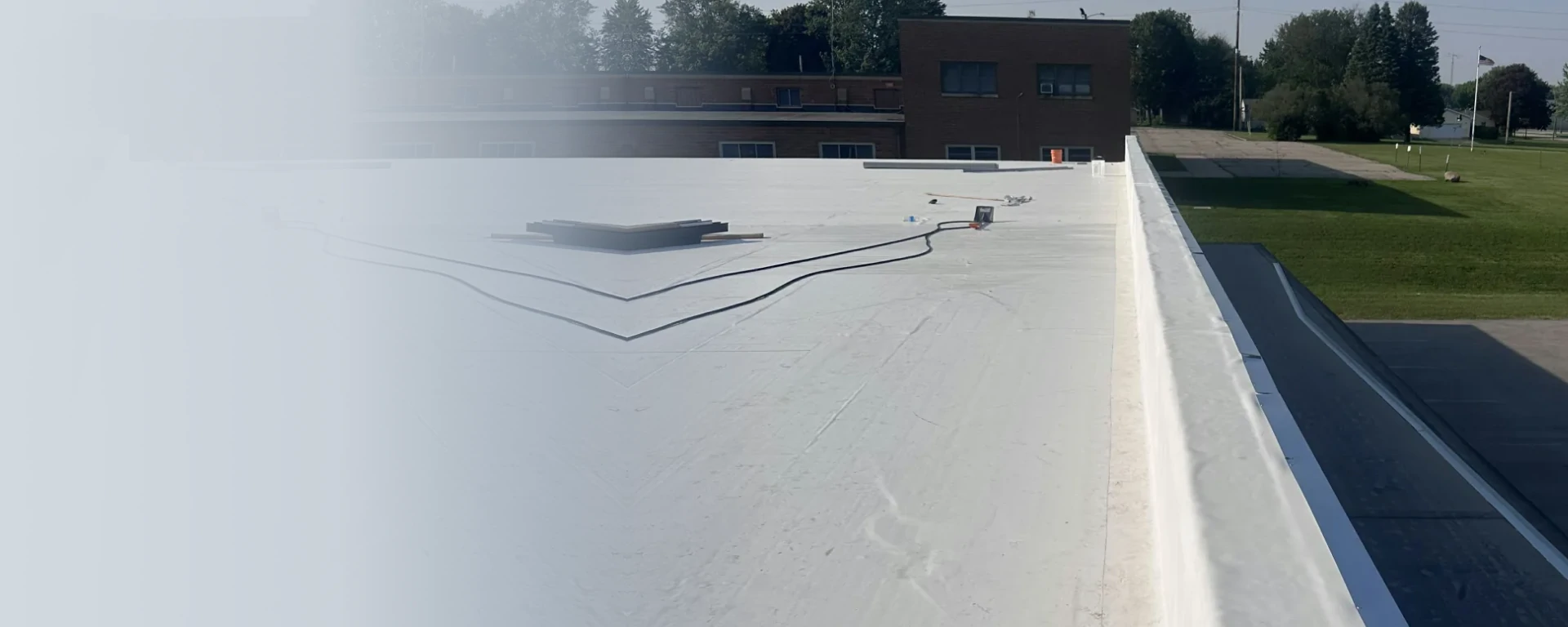
A properly installed TPO roof in Mason City lasts 20 to 30 years depending on membrane thickness, installation quality, and how well the roof is maintained. Thicker membranes — 60 mil and above — outlast standard 45 mil systems by five to ten years in Iowa❜s demanding freeze-thaw climate. Manufacturer warranties on TPO systems typically run 15 to 30 years and require installation by a certified contractor to stay valid.
- 45 mil TPO — adequate for low-traffic roofs, shorter end of lifespan range in cold climates
- 60 mil TPO — better puncture resistance and longer lifespan in Iowa❜s freeze-thaw conditions
- Biannual inspections and prompt seam repairs extend TPO lifespan significantly in Mason City
What TPO Roofing Installation in Mason City Actually Involves
A proper TPO install is more than rolling out a white membrane and welding the seams. The full job covers deck prep, insulation board, cover board, membrane attachment, heat-welded seams, flashing, and drain detailing. Each layer has a job. Skip one and the warranty gets voided — and the seams fail faster than they should.
A lot of older Mason City commercial buildings have built-up or modified bitumen roofs from earlier decades. Those systems often need a full tear-off before TPO can be installed to spec. Recover over an existing flat roof is sometimes possible, but it depends on how many layers are already there and what Iowa code allows. Mason City commercial roofing specialists check this during the first visit and tell you upfront. What a proper TPO install covers:
- Full deck check and tear-off of old system if needed
- Rigid insulation board sized to Iowa energy code
- Tapered insulation to fix any drainage problems
- Cover board to protect the membrane from foot traffic
- TPO membrane — mechanically attached or fully adhered
- Heat-welded seams at every lap and transition
- Flashing at walls, parapets, HVAC curbs, and penetrations
- Drain and scupper detailing to manufacturer spec
How to Know If TPO Is the Right System for Your Mason City Building
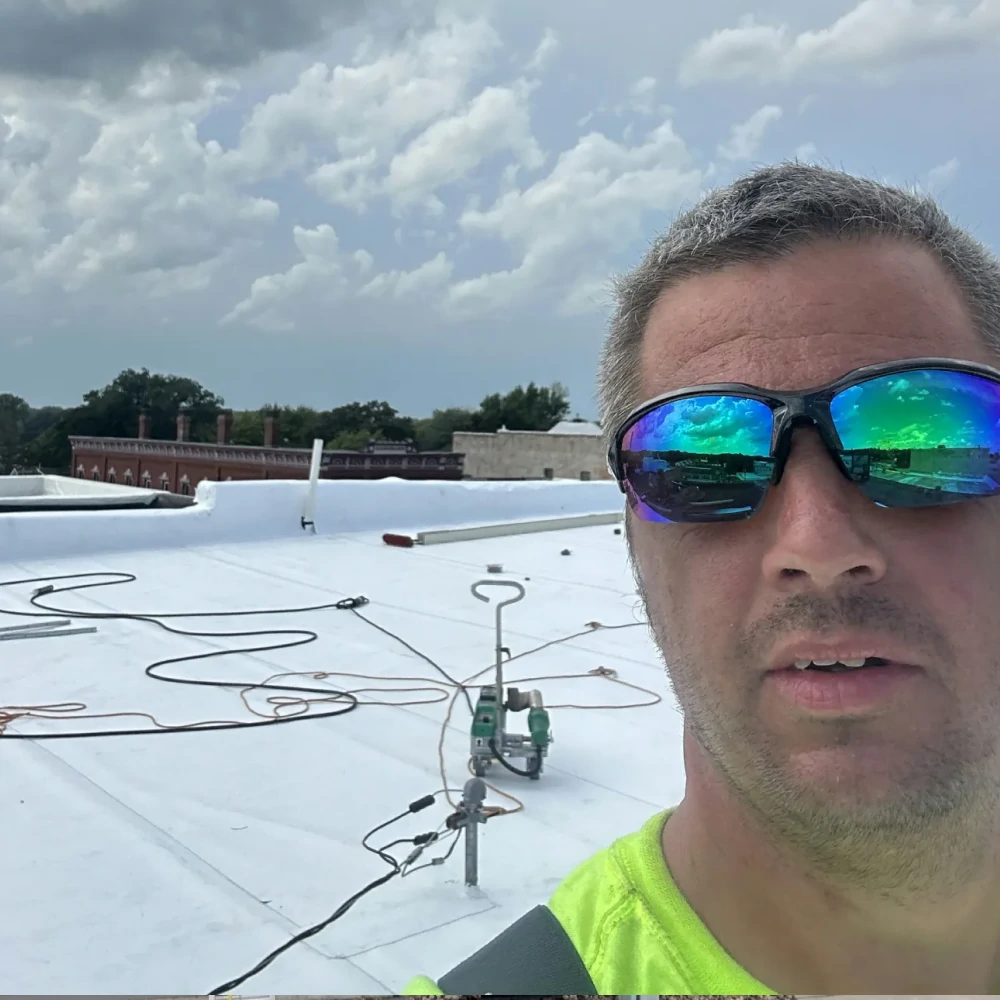
TPO is a strong fit for most Mason City commercial buildings and low-slope additions. Its heat-welded seams are the biggest advantage in Iowa❜s climate — welded seams hold through freeze-thaw cycles far better than the adhesive-bonded seams on EPDM systems. That seam strength is the main reason TPO has taken over as the most common flat roof system in North Iowa.
The white reflective surface reduces summer cooling costs, but that is less of an advantage in a cold-dominated climate like Mason City's. The real selling point here is long-term seam performance. TPO is not always the right call — modified bitumen or built-up systems work better on some buildings with heavy foot traffic or chemical exposure. Where TPO makes the most sense:
- Commercial buildings needing a long-life flat roof system in North Iowa
- Low-slope residential additions needing a clean, low-maintenance membrane
- Buildings where ponding water needs to be corrected with tapered insulation
- Properties where the owner wants a manufacturer-backed warranty
- Roofs where energy efficiency is a factor alongside cold-weather durability
What Goes Under a TPO Roof and Why It Matters in Iowa
What goes under a TPO membrane matters as much as the membrane itself. The layers between the deck and the TPO — rigid insulation board, cover board, and the attachment method — determine how well the system performs through Iowa winters and whether the manufacturer warranty stays in place.
Tapered insulation is strongly recommended on most Mason City TPO installs. A lot of older flat roofs in Cerro Gordo County were built with little to no slope. Ponding water — water that sits longer than 48 hours after rain — wears TPO membranes fast and shortens lifespan dramatically. Fixing the drainage during installation is the only real solution. Adding tapered insulation after the membrane is down means another tear-off. Why each layer matters:
- Rigid insulation board — meets Iowa energy code and provides the install surface for the membrane
- Tapered insulation — corrects drainage slope and eliminates ponding water
- Cover board — protects the insulation from foot traffic and puncture during install
- Attachment method — mechanically attached for large simple roofs, fully adhered for complex shapes or high wind-uplift zones
What the TPO Installation Process Looks Like Day by Day
Day one starts with tear-off if the existing roof is being removed, or deck prep if it is a new install. The deck gets checked for soft spots or rot before any material goes down. Rigid insulation and tapered insulation go next — this is where the drainage correction happens. Cover board follows, then the TPO membrane gets rolled out in sheets.
Iowa weather is part of every TPO job. TPO membrane installation and heat welding need dry surfaces and temperatures above 40 degrees. A cold, wet day shuts the job down — we do not weld seams in conditions that cause cold welds. We give you a real start window and call you the same day if weather pushes the schedule. Most Mason City TPO installs wrap up in two to five days depending on roof size and complexity.
- Day 1 — Tear-off or deck prep, deck check and repair
- Day 2 — Rigid insulation and tapered insulation install
- Day 3 — Cover board and TPO membrane roll-out
- Day 3 or 4 — Heat welding of all seams and laps
- Day 4 or 5 — Flashing, drain detailing, and edge metal
- Final day — Full inspection, cleanup, and walkthrough
How to Verify Your TPO Installer Knows the System Inside and Out
TPO installation has a very small margin for error. Cold-welded seams look solid and fail within a season. Undertorqued fasteners pull out under wind uplift. Missing cover board leads to membrane punctures during HVAC service calls. The difference between a 25-year roof and a 10-year roof is almost always the quality of the installation — not the membrane brand.
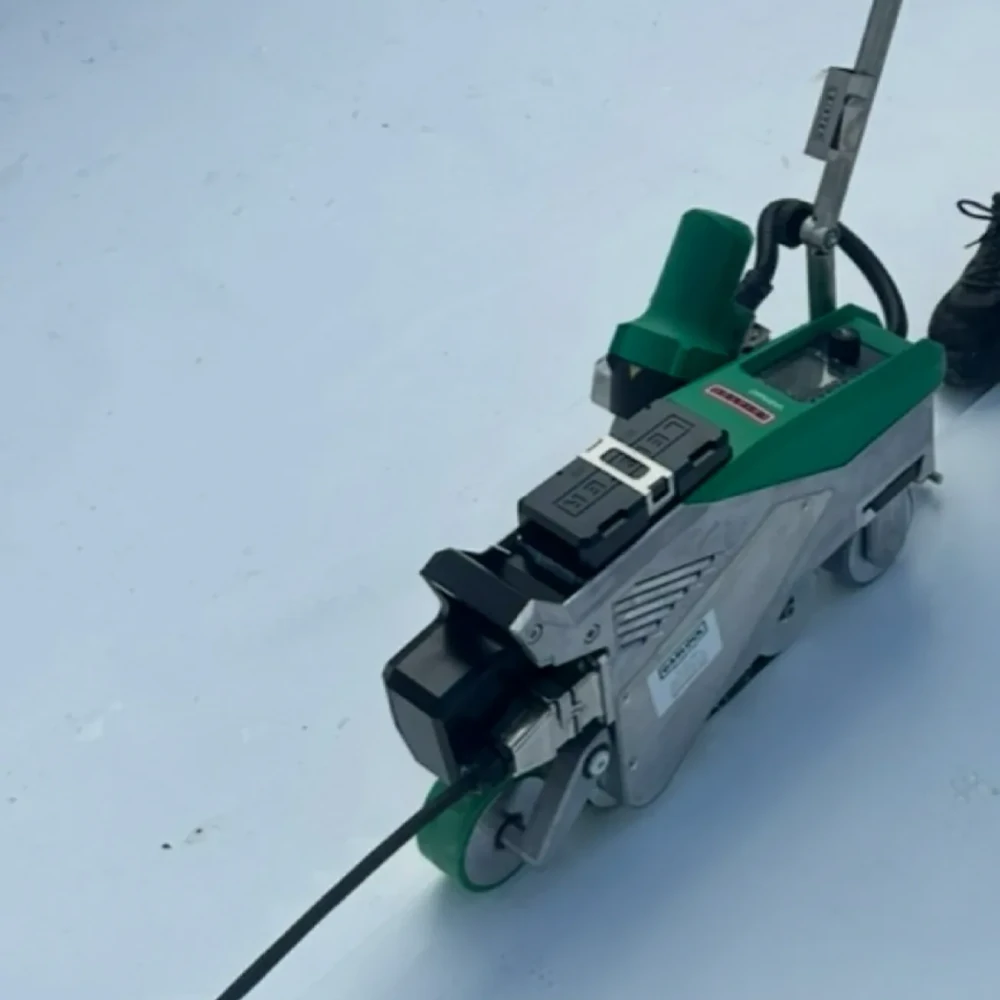
Ask the contractor how many TPO installs they have completed in North Iowa in the past year. Ask whether they own their heat-welding equipment or rent it. A crew that welds TPO regularly calibrates their equipment on every job — a crew that rents a welder once a year does not. Verify before you sign:
- Iowa contractor license number on the contract and the truck
- Manufacturer certification for the specific TPO system being installed
- Ownership of heat-welding equipment — not rented
- Number of TPO installs completed in North Iowa in the last 12 months
- Three local TPO references — drive past at least one in Mason City
- Named project lead — the person running the install on-site
- Written scope listing membrane brand, thickness, and attachment method
How Proper TPO Installation Prevents the Most Common Flat Roof Failures
Most TPO failures in Mason City do not come from bad membrane material. They come from install errors. Cold-welded seams are the top failure mode — a seam that looks bonded but was welded at the wrong temperature or with a miscalibrated welder. The seam holds through summer, opens during the first hard freeze, and leaks all winter before anyone finds it.
Ponding water is the second most common failure on Mason City TPO roofs. When a flat roof is installed without tapered insulation, low spots collect water. That standing water wears the membrane at a stress point, eventually forcing a seam or penetrating through a thin area. Both failures are entirely preventable. Common TPO install errors that cause early failure:
- Cold-welded seams from a miscalibrated or improperly used welder
- Undertorqued mechanical fasteners that pull out under wind uplift
- Missing cover board that leads to insulation puncture during foot traffic
- No tapered insulation — creates ponding water that wears the membrane early
- Poor drain detailing that traps water at the drain instead of directing it in
- Flashing installed without proper overlap at walls and parapet edges
- Membrane installed in temperatures below 40 degrees without proper precautions