
Mason City, IA & North Iowa
Replace a 20-Year-Old Roof in Mason City? Find Out
Age Alone Does Not Decide Whether a Roof Needs Replacement
Here's the straight talk. A 20-year-old roof doesn't just fall apart on schedule. We've ripped off roofs that were only 12 years old, completely done for. But we've also looked at roofs pushing 30 that still had plenty of useful years left in them. How old it is, that's just one piece of the puzzle.
Condition matters more.
Look, a commercial flat roof here in Mason City really gets put through it every year. We see nasty ice dams in January, hail storms roll through in June, then the scorching UV rays all summer long. Those weather elements do far more damage than the calendar ever will. You can have two identical roofs installed the same year, and they'll look totally different. It depends on how someone kept them up, what materials were used, and if anyone actually bothered to fix small issues before they spiraled out of control.
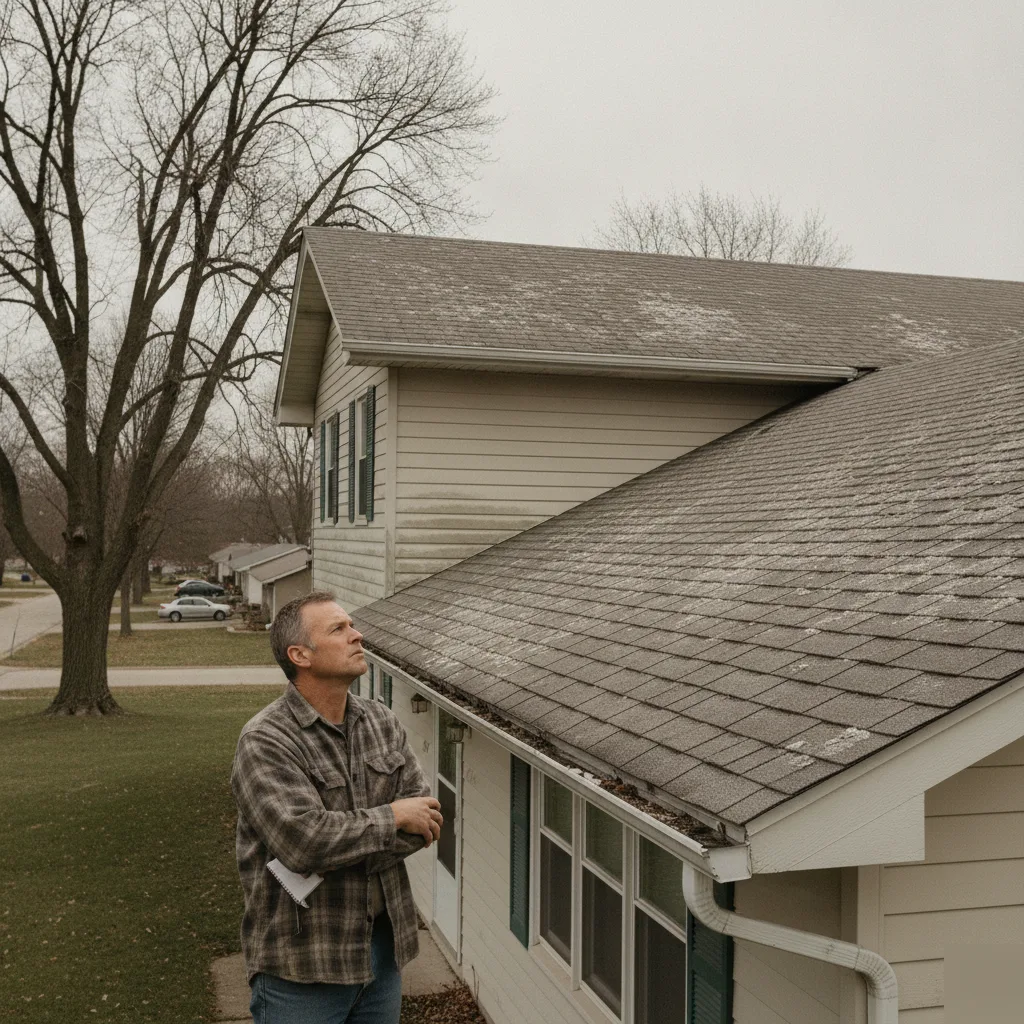
Most contractors won't tell you this, but we've watched too many building owners spend hard-earned money on a full roof replacement. All because someone told them "20 years means it's done." When often, a targeted repair would've given them another five to eight years of life. That's real money wasted. And it happens without anyone even climbing up there to take a real look.
What Actually Shortens a Roof's Life
So, what should you really pay attention to? These are the things that make a roof age faster than time on its own:
- Standing water that stays for 48 hours or more after a rainstorm
- Membrane seams pulling apart, or the flashing around edges lifting up
- Clogged drain systems that nobody ever cleans out
- Patch jobs done with materials that don't match the original roof
- Damage from people walking on the roof, HVAC techs or other maintenance crews
Any single one of these can chop years off your roof's life. Stack two or three together, and you've got a roof failing at 15 years instead of 25. We see this all the time on older commercial buildings near the East Park area and along Federal Avenue, where ownership changed hands and routine inspections just fell by the wayside. It's a sad sight.
When a 20-Year-Old Roof Still Has Life
Now, on the flip side, a TPO or EPDM membrane that's been cared for can last well past 20 years. If the seams are still tight, the flashing's holding solid, and there's no sign of leaks, you might not need a whole new roof. A good roof coating application can give an aging membrane a real boost, buying you time without the massive cost of a tear-off.
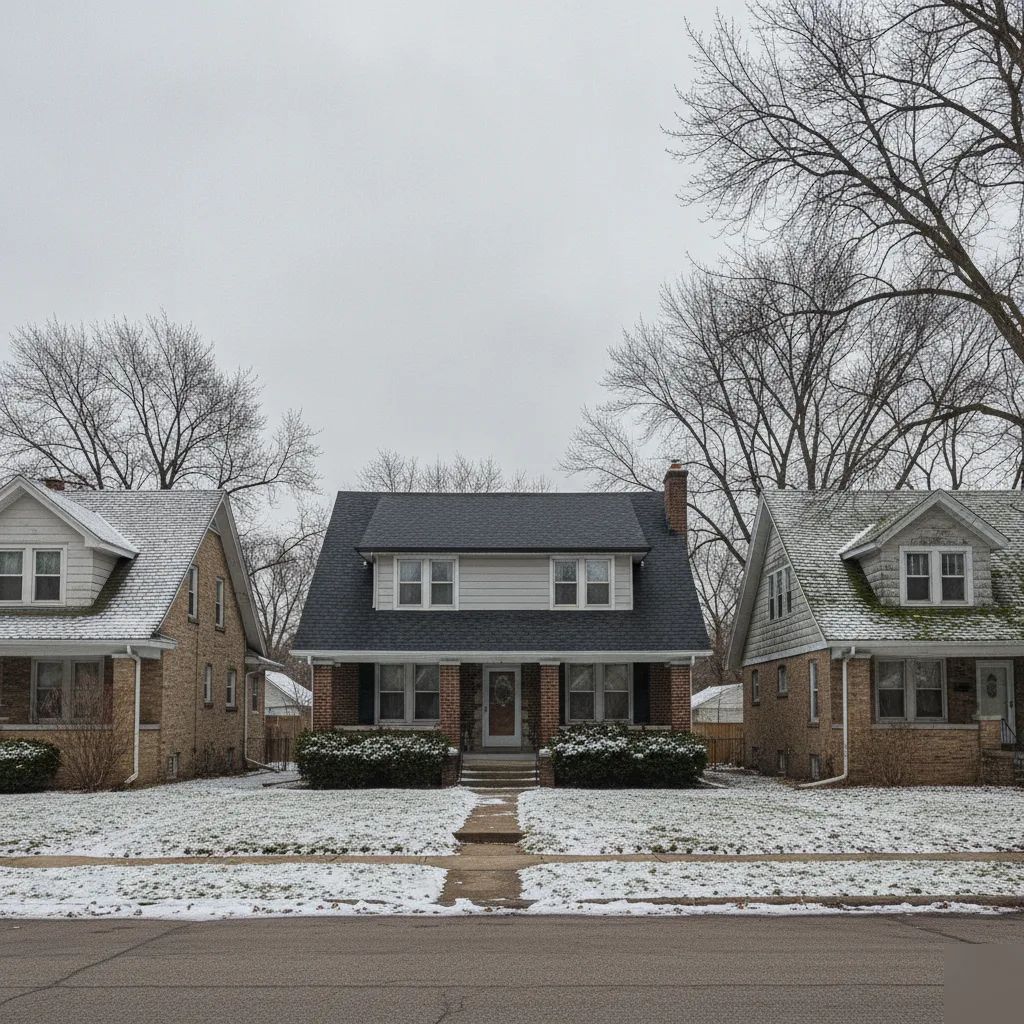
David has walked hundreds of roofs in Mason City. The ones that keep going and going almost always share one common trait. Someone paid attention. Regular free roof inspections catch those little things before they become a panicked phone call about water pouring onto your inventory.
But here's where folks often mess up. They think "no visible leak means no problem." The truth is, by the time water shows up inside your building, damage has been happening for weeks, maybe even months, under that membrane. Your insulation gets soaked. Deck boards start to rot. That's when a simple fix turns into a full-blown roof replacement, whether you were ready for it or not.
The plain truth is simple. Don't let a number on a calendar make your call. Get someone up there who knows what they're looking at. A proper inspection tells you exactly how things stand, no guessing games, no pressure. If you're curious about where your roof really sits in its lifespan, our roof replacement page walks through the whole deal, from inspection to install.
Warning Signs That a Roof Is Truly at End of Life
Here's a fact most contractors gloss over. Age doesn't kill a roof. Neglect does. We've pulled apart 15-year-old roofs in Mason City that were totally shot, and then we've seen 25-year-old systems still chugging along. The real question is what's happening up there, right now.
There are clear warning signs. These tell you a roof is truly finished. Not "needs a patch" done. Actually finished.
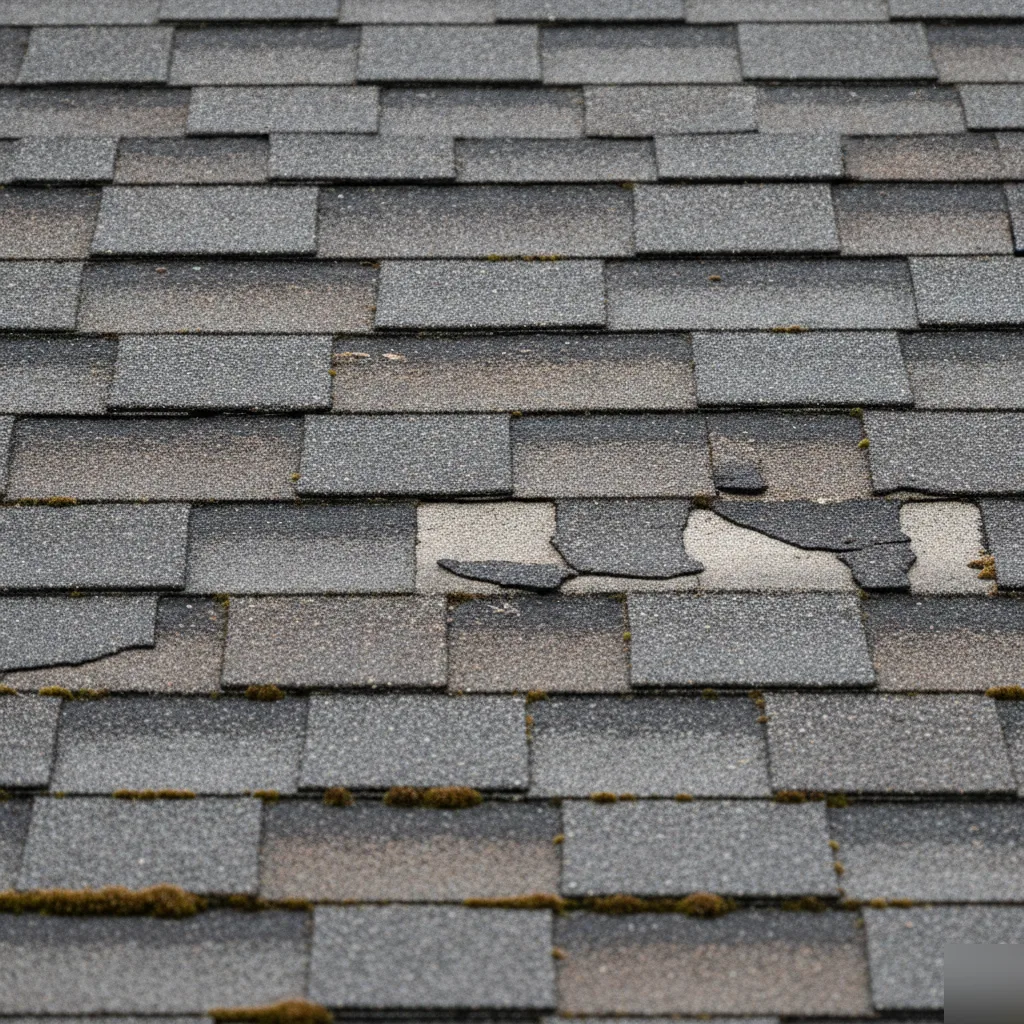
Visible Damage You Can Spot Yourself
Some things are easy to see from the ground. Other stuff needs us to get up close. Here's what we check during a free roof inspection that tells us a roof has finally reached its limit:
- Membrane pulling away from the edges, curling, or cracking in big sections
- Standing water that sits for 48 hours or more after any rain
- Blisters or bubbles popping up all over the flat roof's surface
- Flashing that's rusted right through, or totally separated from the walls
- Daylight you can actually see shining through the roof deck from inside your building
Any one of these, by itself, might be fixable. Two or three together? That's your roof screaming it's had enough. And if you're finding active leaks in a bunch of spots, the structure underneath is probably compromised too.
Hidden Problems That Matter More
The things you can't see, those are usually the real troublemakers.
Moisture trapped between the roof layers is the big concern. It rots the deck from the inside out. We've peeled back membrane on commercial buildings near East Park in Mason City and found plywood so soft you could push a finger right through it, no effort needed. That kind of damage doesn't show up on the surface until it's way, way too late.
Insulation is another quiet killer. When it stays wet, its R-value drops fast. The National Roofing Contractors Association says wet insulation can lose up to 40 percent of its ability to insulate. Your energy bills go up, the building feels chilly, and you're just heating the sky, it's frustrating to watch.
We've seen what happens when people ignore this. A building owner thinks they're saving money, patching things year after year. Meanwhile, the deck rots, the insulation gets waterlogged, and what could have been a straightforward roof replacement turns into a massive structural project. That's a real headache.
The Patch Test
Here's a simple way David looks at it. If you've had roof leak repair done three or more times in the last two years on the same roof, you're past the repair stage. You're just putting off the inevitable, and every patch is money that won't count toward a new system. It's like throwing good money after bad.
Most people don't get this until it hits them hard. Repairs make sense when the rest of the roof is solid. When the membrane is brittle all over, a patch is just a tiny bandage on a big broken bone.
Mason City's freeze-thaw cycles are absolutely brutal on older flat roofs. Water seeps into a small crack, freezes overnight, and expands that crack. By springtime, you've got a problem ten times bigger than what you started with. That cycle picks up speed fast once a roof hits its last legs.
So how do you actually know for sure? Get someone up there who understands what they're looking at. Not a salesperson. A seasoned roofer. We offer free roof inspections for this exact reason. We'd rather show you the honest problem than push you into something you don't need right now.
If the signs clearly say replacement, our roof replacement page walks you through what comes next.
Repair vs. Replace: How to Know When Patching Stops Making Sense
Here's the truth. Most people call us hoping for a roof repair. Nobody wants to hear they need a full roof replacement. We get it. But after 25 years climbing on roofs all over Mason City, David can usually tell in ten minutes if patching is still a smart use of your money.
The rule is pretty simple. If you're dropping cash on repairs every year or two, those costs stack up fast. Eventually, the numbers flip, and those fixes cost more than just replacing the whole thing would have.
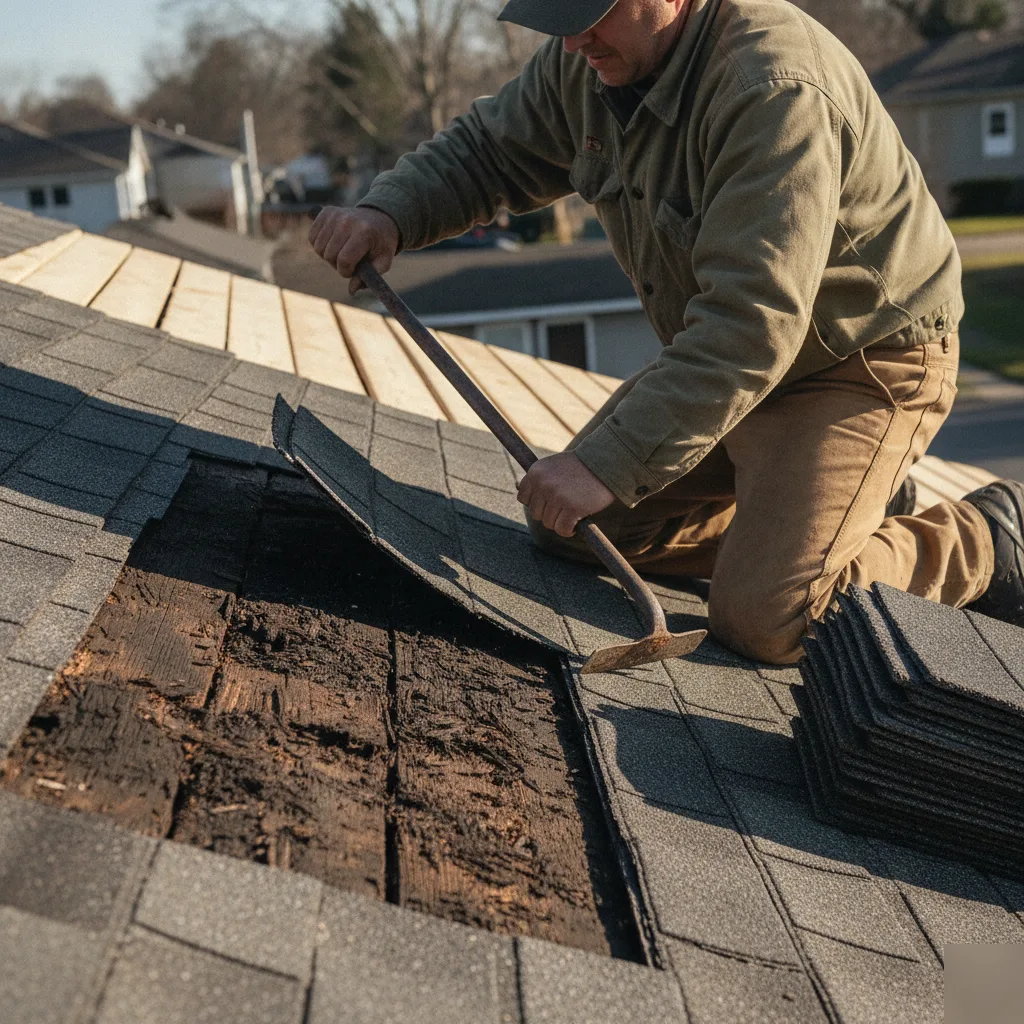
When Roof Repair Still Makes Sense
A roof repair is a good call in specific situations. Say your roof is under 15 years old and has one isolated issue. Maybe a storm around the East Park area knocked something loose, and you have a single leak. That's a straightforward fix, not a replacement. Roof leak repair on a younger system is almost always the smart move.
Repairs also make sense when the damage is just in a small spot. We're talking less than 25 percent of the total roof area. The deck underneath is still solid. The membrane or metal panels haven't started to break down everywhere else. One isolated issue doesn't mean the whole roof is bad.
When Patching Stops Working
But a 20-year-old roof? That's a different beast. Here's what we look for when we tell someone it's time to stop patching things up:
- Multiple active leaks popping up in different spots on the roof
- Membrane that's cracking, bubbling, or peeling away from the seams
- Soft or spongy spots on the deck when you walk across it
- Old patch jobs piled on top of even older patch jobs, a real mess
- Visible rust holes right through the metal panels or flashing
If you're dealing with two or three of those at once, you're past the repair window. Most contractors won't mention this because repair work is quick cash. We prefer to be upfront with you.
The Real Cost of Waiting Too Long
We've witnessed what happens when this gets ignored. A commercial building owner on the south side of Mason City called us last spring about a small leak. When we climbed up there, the membrane had been patched six times over four years. The insulation underneath was totally soaked. Moisture had seeped into the deck boards, causing real damage.
That owner ended up paying for a complete roof replacement plus a bunch of deck repairs. If they'd replaced the roof just two years earlier, the deck would have been fine. The delay cost them a lot of real money.
Water doesn't stay put. It moves, it spreads, it rots things you can't see from the ground. Every single patch on an aging roof is basically a temporary bandage on a much bigger problem.
The National Roofing Contractors Association says most commercial flat roofing systems typically last 20 to 25 years. This depends on the material and how well it's maintained, of course. Once you hit that window, repairs start becoming a gamble.
So, how do you really make the call? Start with a free roof inspection. We'll get up there, check the membrane's condition, look at all the flashing, and test the insulation for moisture. Then we'll show you exactly what we found. No guessing.
If a repair makes sense, we'll tell you. If a roof replacement is the smarter move, we'll explain why. Either way, you'll know exactly where things stand before you spend a single dollar.
And that's the whole point. You don't need someone trying to sell you a new roof. You need someone who will show you what's actually happening up there so you can make a sound decision for your building.