
Mason City, IA & North Iowa
Roof Inspection After Hailstorm in Mason City: Yes or No?
Yes, Here's Why a Post-Hail Roof Inspection Is Worth It
Should you get a roof inspection after a hailstorm in Mason City? Every time, yes. That's the fast answer. Here's the longer one.
Hail won't always punch a hole you can spot from the ground. Most damage we find stays hidden. Dents in metal panels, for example. Cracks in membrane seams. Small breaks in roof coatings won't leak today. But they'll leak six months from now. We've been on flat roofs in Mason City after a big blow. Many times, the building owner had no clue their roof got hit.
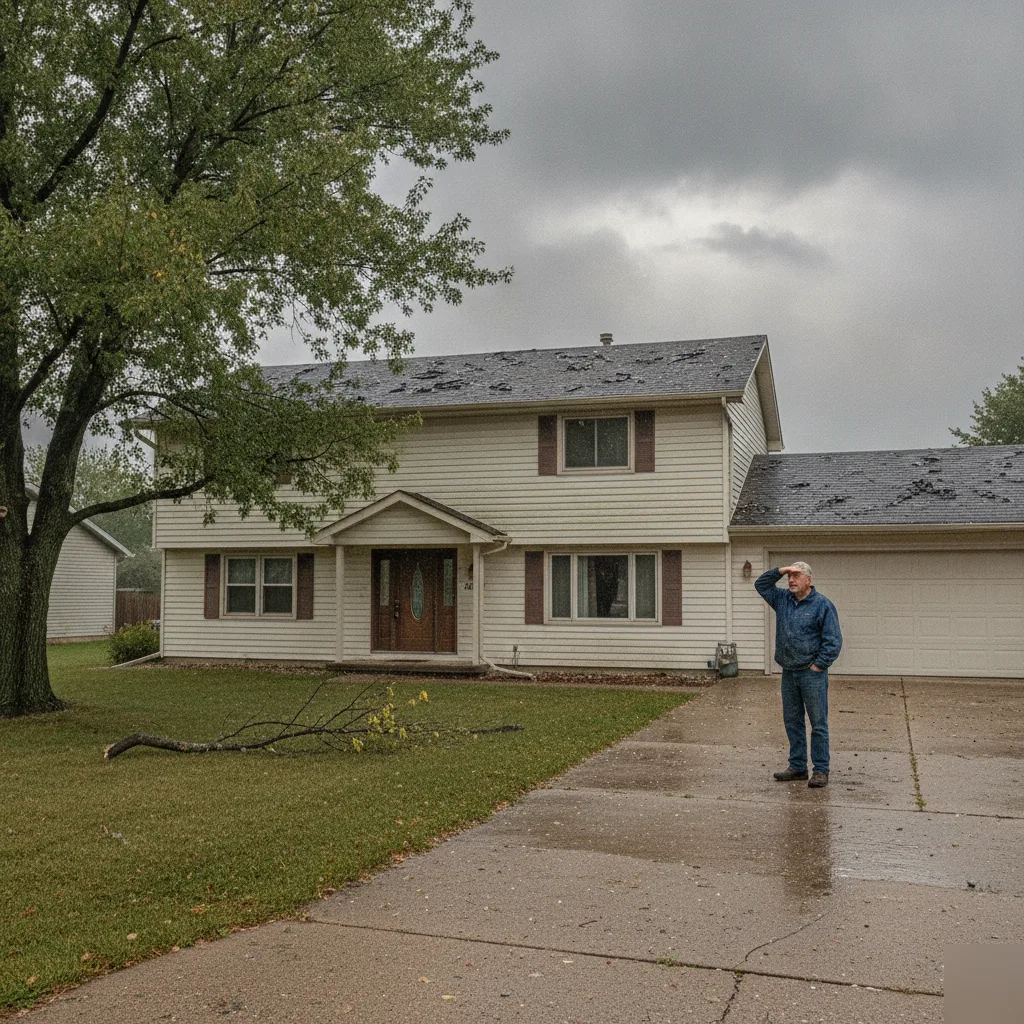
Hidden Damage Is the Real Problem
A hailstone hits a flat roof or metal roof at 60 mph. It makes impact points. These hits weaken the surface, they don't always tear through immediately. Instead, they wear down the material. Over time this becomes a problem. The Insurance Institute for Business and Home Safety says hail damage often goes unnoticed. You need a pro to check it out.
- Dents or dimples in standing seam metal panels. These hurt the finish.
- Punctures or bruising in TPO, EPDM, or PVC membranes.
- Cracked or chipped roof coatings expose the layer underneath.
- Flashing damage around vents, edges, and HVAC units.
You can't see any of this from the parking lot. You need someone on the roof. Someone with trained eyes. And get them up there fast. Before the next rain turns a small issue into a big mess.
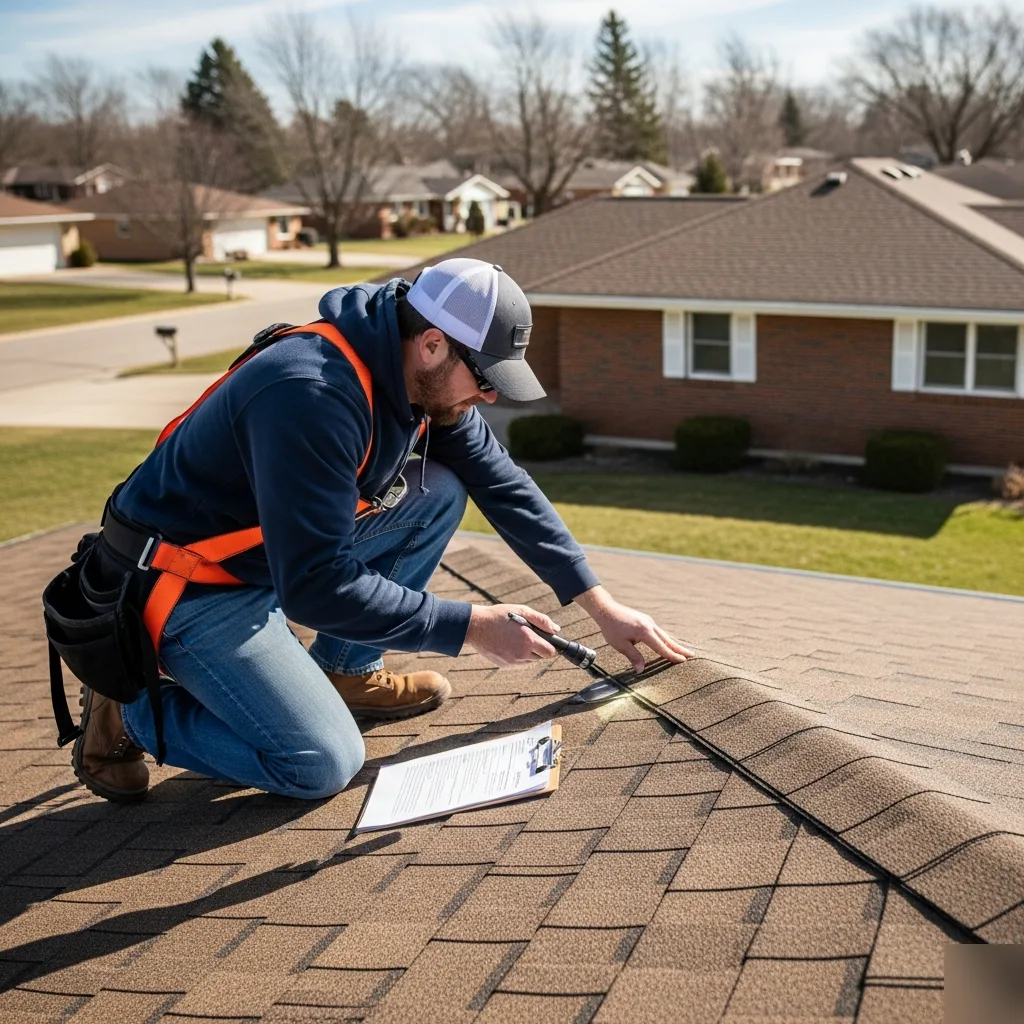
Timing Matters More Than You Think
Here's a secret most building owners miss. Waiting too long after a hailstorm? That can kill your insurance claim. Iowa insurance companies usually need claims filed fast. Right after the storm. You wait three months for an inspection, you might find serious damage, but get nothing from your policy.
We've seen this happen too many times in Mason City. A commercial building near North Federal Avenue got hit hard in June. Membrane damage, a real mess. The owner didn't call us until October. Then the insurer fought them on the claim timeline. That's money gone for nothing, plain and simple.
Get that inspection done within days of the storm. Not weeks, days.
It's Not Just About Leaks
People hear 'roof damage,' they think water dripping from the ceiling. That's the end of the line. Before that, you get moisture stuck under the membrane. Insulation gets wet, loses its R-value. Deck materials rot or rust. Energy bills slowly climb. Your roof just isn't working right anymore. (It makes you wonder how many buildings in North Iowa are wasting cash on heating right now because of unnoticed damage.)
A good roof inspection catches these things early. It gets you documentation. Photos. Measurements. A written report for your insurance adjuster. That paperwork makes all the difference, really. Between a simple claim and a complete denial.
David has walked hundreds of roofs in Mason City after storms. The story is always the same. Owners who get an inspection right away save money. The ones who wait? They pay for repairs insurance should have covered. We see this with TPO and EPDM roofs especially.
If your building has a flat roof or metal roof and just saw a hailstorm, don't guess. A free roof inspection clears things up. Completely. You'll know what you're up against, and what to do next.
Signs of Hail Damage on a Roof (What to Look For Without Climbing Up)
You don't need a ladder to spot trouble. Many folks think hail damage is invisible from the ground. That's wrong. You can check for clear signs right now. Just stand in your yard or parking lot in Mason City.
Look at what's around your building first. Not the roof itself.
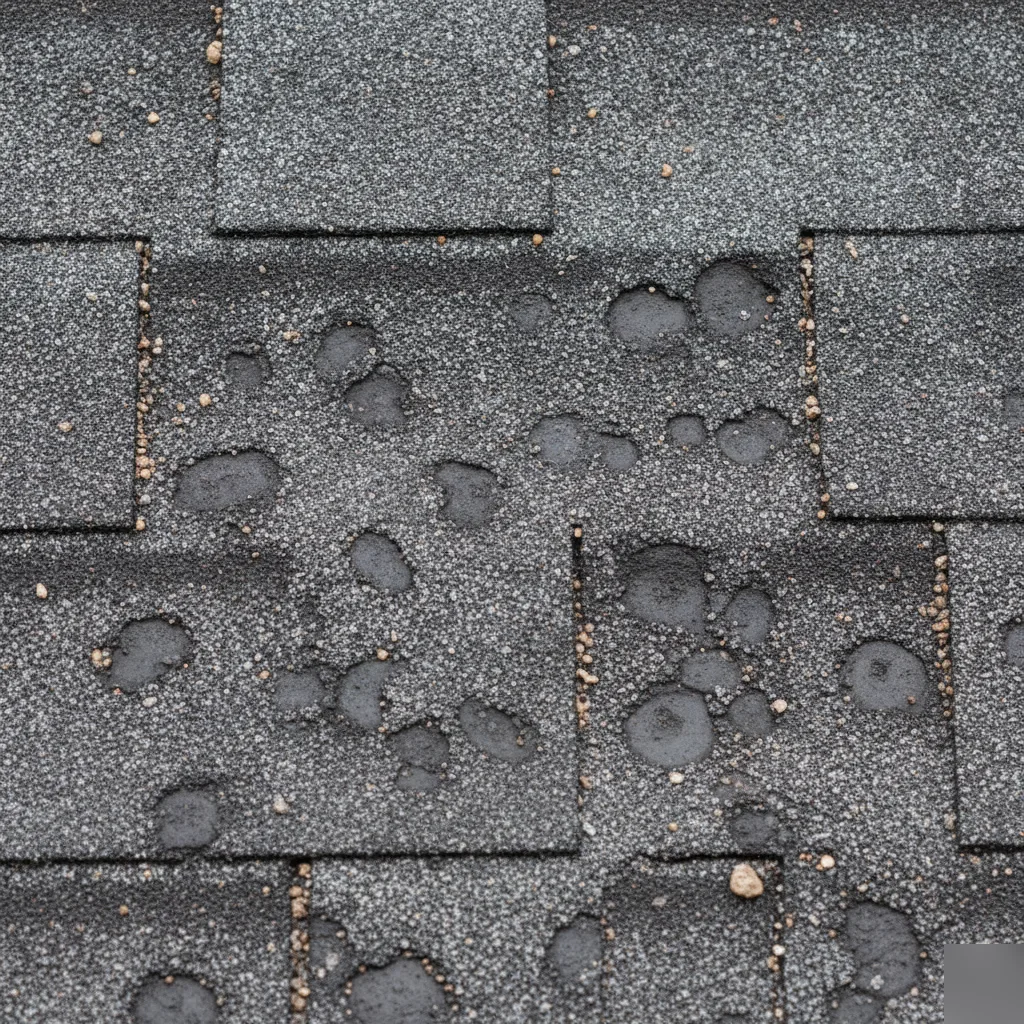
Ground-Level Clues That Point to Roof Damage
Hail doesn't just hit your roof. It hits everything. So check your gutters, downspouts, and window sills first. Dents on metal gutters are a huge clue. If the storm dinged aluminum, it probably hit your roof membrane or metal panels too. Up top.
- Dents or dings on gutters, downspouts, metal trim.
- Cracked or chipped paint on window frames, siding.
- Damage to AC units, vents, any rooftop equipment you can spot.
- Pieces of roofing material, granules, debris in the yard or parking area.
We've been on job sites in Mason City where the owner had no idea. No idea the roof took a hit. But the dumpster enclosure out back was covered in dents. That's your first sign, plain as day.
What Hail Does to Different Roof Types
On a flat commercial roof, hail damage looks different. Most people expect something else. You won't see missing shingles, for example. You'll spot punctures, cracks, or soft spots in the membrane. TPO and EPDM roofing can get tiny tears. They don't leak right away. Weeks later, when the damage spreads, then the water comes.
Metal roofing shows hail damage pretty clear. Dents in standing seam panels are easy to see. If you know what to look for, even from a distance. And those dents aren't just for looks. They can break the panel's seal over time.
A roof can look fine from below. Still have dozens of impact points. Only a proper hail damage inspection shows them. We've seen this play out many times.
The Stuff You Might Miss
Granule buildup at your downspouts is a telltale sign. A big one. If your roof has a coating or granulated surface, hail knocks that loose. Check where your downspouts empty. A pile of gritty stuff? Your roof took real hits.
What else do people miss? Skylights and roof hatches. Cracked skylights after a storm are a clear sign of roof damage. But if they're not cracked, look for pitting on the surface. (Hail in North Iowa gets pretty nasty.) That pitting says the hail was big enough to really hit your roof hard.
And don't forget your neighbors. If nearby buildings got hit, yours did too. Hail rarely skips one property. It hammers the next. The National Weather Service confirms hail paths stretch for miles. They affect whole areas at once.
Here's the plain truth. Ground-level checks help. But they only go so far. They hint if a pro inspection is needed. They don't replace it. Spot any of these signs? That's your signal to get someone up there. Someone who knows what to find.
We've seen what happens when you ignore it. Small membrane punctures turn into indoor leaks. Water sits under the surface. You notice a stain on the ceiling, but by then, the damage underneath is ten times worse. Far worse than the first hail hit.
Older Homes in Mason City Face a Higher Risk After Hail
Many buildings near East Park and in Mason City's older neighborhoods went up decades ago. Some date back to the early 1900s. And the roofing materials on those properties have taken a beating. Years before any hailstorm even shows up.
Here's what most people don't get. Hail doesn't need to be massive to cause real headaches on an aging roof. A newer flat roof might shrug off pea-sized hail. But a roof that's 20 or 30 years old? That same hail can crack brittle materials. Break loose flashing. And rip open seams already failing.
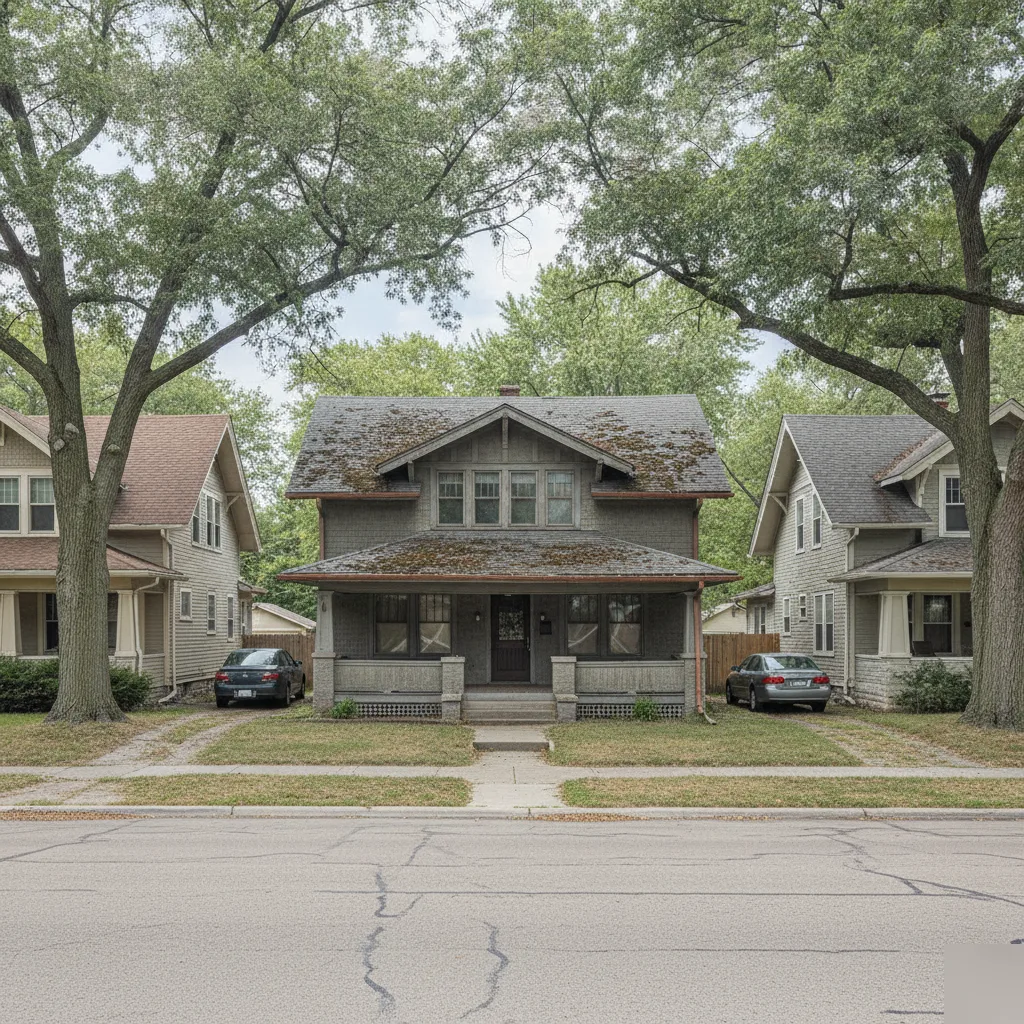
Why Age Makes Roofs More Vulnerable
Roofing materials wear out. UV exposure, constant freeze-thaw cycles, North Iowa hits hard. Wind fatigue. Mason City sees it all. A roof hitting 15 years? Its surface layer has lost much flexibility. Hailstones then cause fractures. Not just dents. We've been on flat roofs that looked fine from below. Up close, we'd see dozens of small cracks. Letting moisture right in.
- Flat roof membranes dry out. They can't absorb impact anymore.
- Metal panels with years of oxidation dent deeper, faster.
- Old flashing around vents and edges pulls apart on impact.
- Old patch jobs often fail when hit by hail. They reopen old leaks.
We see this all the time. A building owner thinks the roof is fine. Nothing leaked right away, after all. Then three weeks later, water appears inside. That's how it goes. Hail damage on older roofs just takes time to show up.
The Hidden Cost of Waiting
Imagine you own a commercial building on South Federal Avenue. It has a flat roof. It's been there since the mid-2000s. A spring hailstorm hits Mason City. You check inside. No dripping, so you figure it's all good. But the hail cracked the weathered membrane. In a dozen spots. (This is common with TPO and EPDM roofs.) Those cracks are tiny. They won't leak during a fast storm.
But over months, water seeps into the insulation layer. By fall, the insulation is soaked. It loses its R-value. Now you pay more to heat the building. Winter comes, that trapped moisture freezes, expands. Makes everything worse. A simple roof repair quickly becomes a flat roof replacement.
Older roofs almost always have wear already. Hail just makes it worse. Adjusters know this, by the way. Wait too long for a hail damage inspection? An adjuster might say the damage was old. Not from the storm. That will cost you the claim.
David has looked at hundreds of older Mason City roofs after storms. The ones checked early? They always turn out better. Early checks mean smaller fixes. Cleaner insurance paperwork. Less hassle for your business or property.
If your building is older, don't think the roof can handle what it once did. A roof inspection after hail becomes more important. Especially when materials are already tired. Getting on top of it fast. That's the smartest move you can make.