
Mason City, IA & North Iowa
Roof Repair vs. Replace in Mason City: What to Know
How Roof Age and Condition Drive the Repair-or-Replace Decision
Look, age is usually the big one. When someone in Mason City calls about their roof, repair or full replacement?, we always check its age first.
Commercial roofs usually last 20 to 30 years. It depends on the material, of course. A TPO membrane handles weather different than an EPDM system. Metal roofing typically lasts even longer. But nothing lasts forever. Knowing your roof's age on that scale changes the whole game for figuring out what to do next.
The Age Threshold Most People Miss
If your roof is less than 15 years old, fixing it often makes sense. A leak by a drain, a poke from someone walking on it, a seam peeling up. These can be fixed. Your membrane still has years of service. The insulation below is likely good, too. A solid repair puts things right.
But hit that 15-to-20-year point, things really shift.
Flat roofs, especially on older buildings around East Park, might look okay from down below. Get up close, though. The membrane turns powdery, seams get stiff, flashing pulls back from every edge. Trying to fix just one spot on a roof like that? It's like patching a worn-out tire. You might seal that hole, but another one will pop up soon enough.
Most building owners get stuck in this cycle. They keep pouring money into fixes. They don't see the roof has passed the point of no return. A full replacement is the smarter move here.
Condition Tells You More Than Age Alone
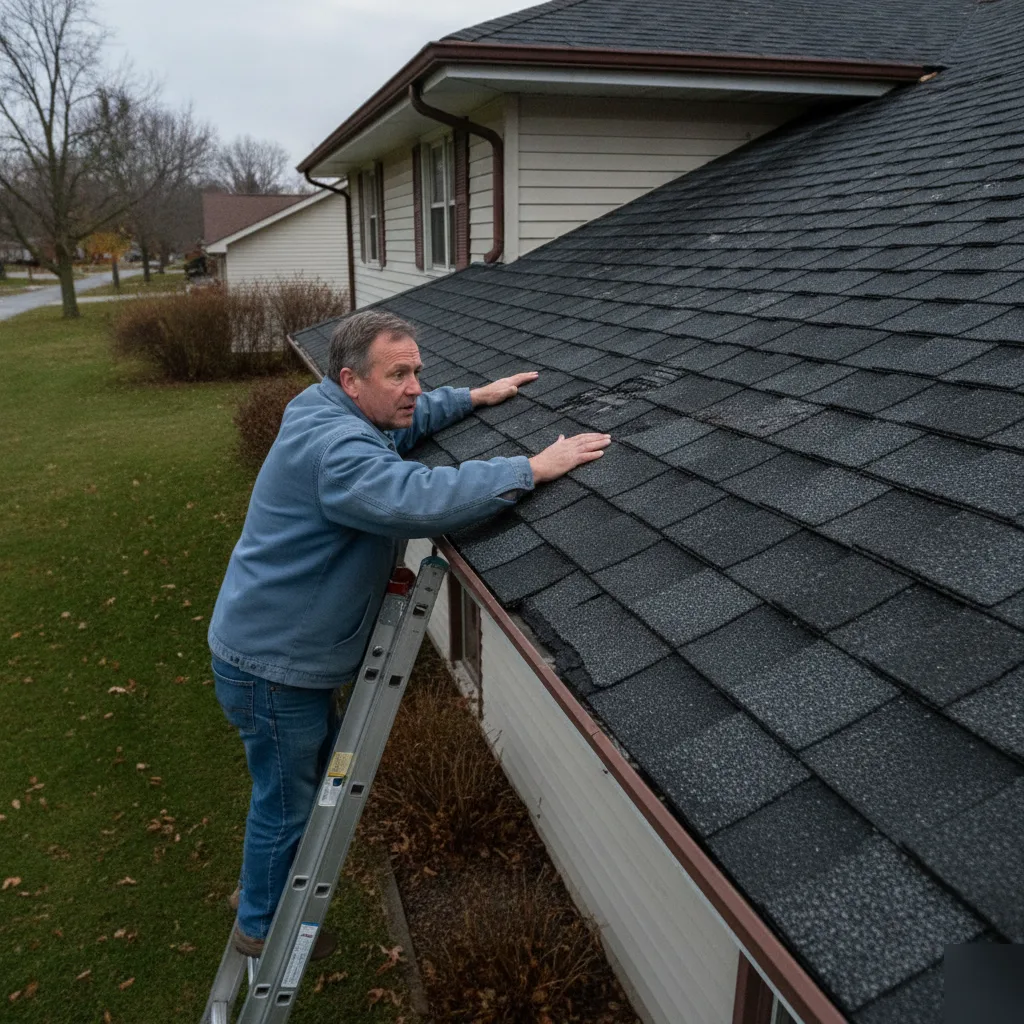
Age counts, but how the roof actually looks matters more. David personally has seen 18-year-old roofs still working hard because someone took care of them. And we've seen 12-year-old roofs totally shot, just because they were left alone.
When David gives a free roof inspection, here's what he actually checks:
- Membrane integrity. Is the top layer cracking, bubbling, or showing the stuff underneath?
- Seam condition. Are the welded seams or glue lines still tight? Or are they pulling apart?
- Flashing and penetrations. Every pipe, every curb, every edge, they're all spots where things can go wrong.
- Drainage. Water sitting on a flat roof? That speeds up every other issue we just talked about.
- Insulation saturation. If water gets under the top layer, the insulation soaks it up like a sponge. You can't just patch that from the surface.
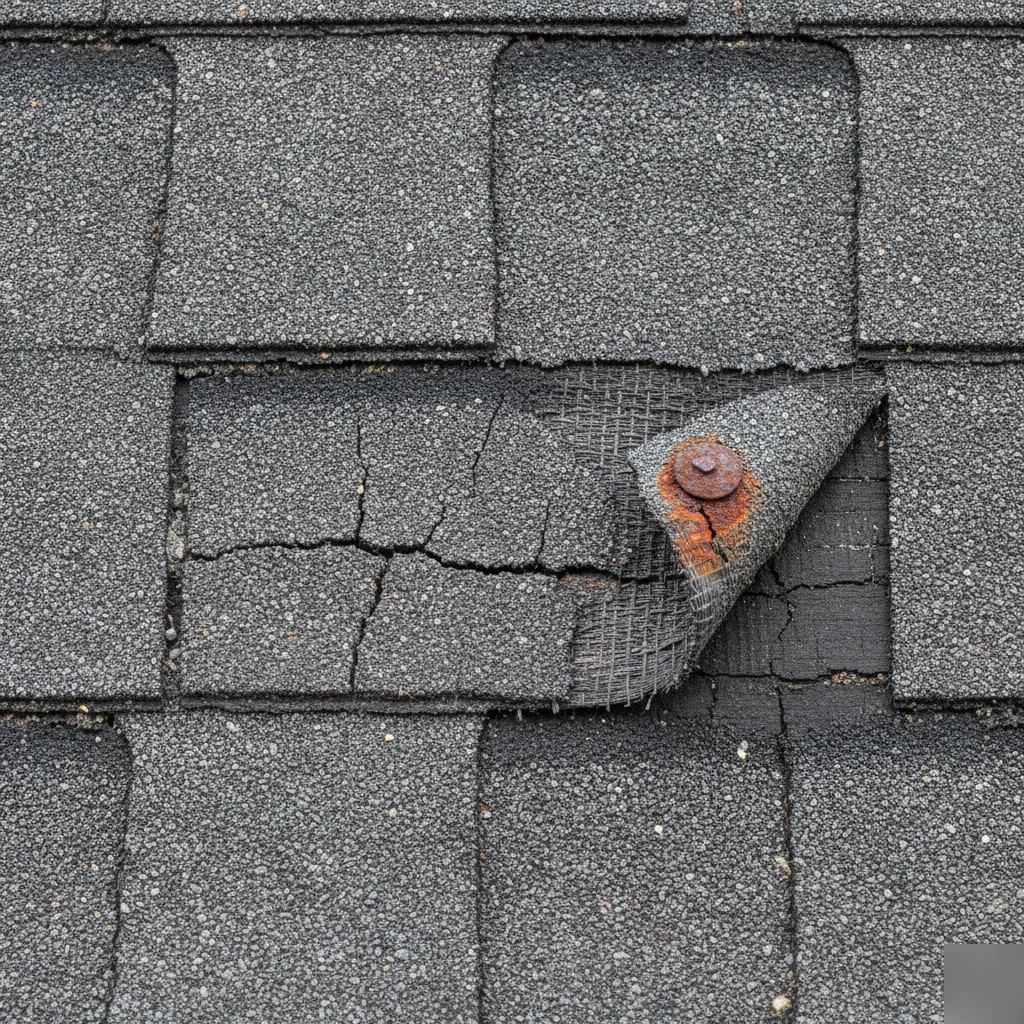
Most contractors won't tell you this, but wet insulation, that's the killer. When moisture gets stuck inside the roof, it just rots the deck below. Kills your building's energy efficiency. Any surface repair at that point is useless. A full roof replacement is the only way to really fix it. For homeowners thinking about long-term performance, reviewing energy-efficient home design tips from the U.S. Department of Energy can help you understand how the roof and insulation system work together.
Mason City's brutal freeze-thaw cycles really make things worse here. A little crack shows up in October. Water sneaks in. It freezes, pushes things apart, makes the crack wider. By spring? You've got a huge problem. People ignore those early signs. That's how small issues snowball into needing a whole new roof.
Here's how we see it. If the roof is young, and the damage is just in one spot, fix it. But if it's getting old, and issues are popping up everywhere? Start thinking about a replacement. And if that insulation is wet, or the deck is falling apart, don't throw good money after bad with patches.
Unsure where your roof stands? A free roof inspection clears things up. We'll show you what's happening. We'll tell you straight if a roof repair buys you true time, or just pushes off the real fix.
The 50% Rule and Other Cost-Ratio Benchmarks Explained
Let's talk simple math for roof repair versus replacement. If a repair job costs more than half of what a total replacement would be, you should replace it. That's the 50% rule. Most contractors keep quiet about this, because a quick patch is easy to sell.
David, though, will give it to you straight.
We use this rule on pretty much every roof inspection we do in North Iowa. It applies to flat commercial roofs, residential metal roofing, TPO, EPDM, PVC, the material doesn't change the math. Once your repair cost hits that halfway point, continuing to patch just doesn't make financial sense.
How the 50% Rule Works in Practice
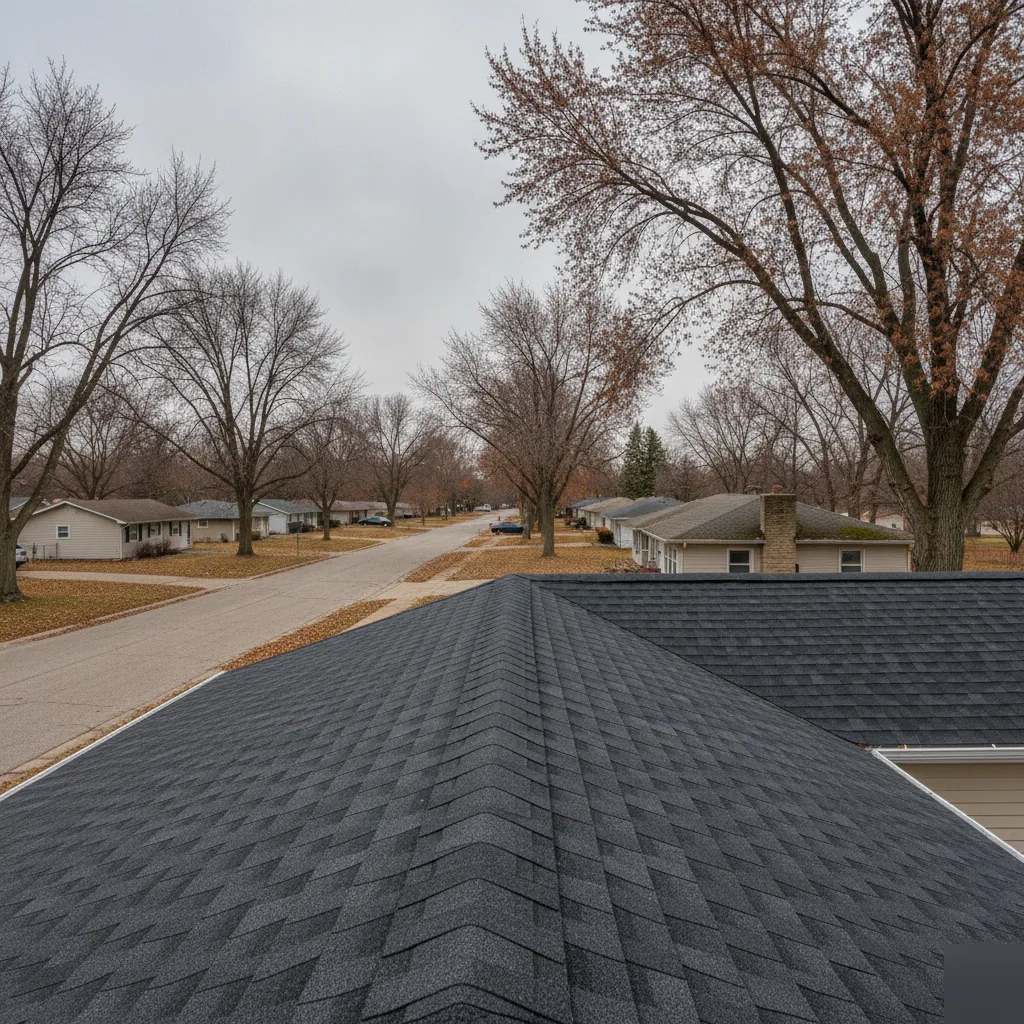
Imagine your business is near Southbridge Mall. Your flat roof has three leaks. The membrane is separating at the seams. And water ponds in two spots. You get a quote for roof repair. You get a quote for a full flat roof replacement. If that repair quote is half, or more, of the replacement cost, the choice is obvious.
Replace it. No brainer.
Why? Because a roof with that much trouble is yelling at you. It's giving up. A patch buys you a year, maybe two. Then you're back, shelling out more cash. The business owner on Federal Avenue, for example, patched their EPDM roof three times in four years. They paid more than a full replacement would have cost originally. We see that story too often.
Other Cost Benchmarks Worth Knowing
The 50% rule isn't the only thing. We look at a few other benchmarks during a free roof inspection, too.
- The age-to-lifespan ratio. If your roof has already burned through 75% or more of its life, repairs rarely make sense. Think about a TPO roof meant for 20 years that's already 16. That's definitely replacement country.
- How often it needs work. Two or more roof repairs in three years? That's a trend, not bad luck. The core system is weakening.
- The size of the damage. The National Roofing Contractors Association tells us if damage covers more than 25% of the roof, a full replacement is usually the smarter play.
- Climbing energy costs. When your heating bills jump every Mason City winter, and insulation is shot under a bad roof, that old roof is hitting your wallet beyond just leaks. You feel it on the gas bill.
These benchmarks work hand-in-hand. One thing alone might not scream 'replace.' But get two or three lined up? The decision snaps into focus, quickly.
Why This Matters for Commercial Buildings
Commercial roofs, they're a whole different beast. Bigger, flatter, and the fallout from messing up is huge. A little leak in a warehouse, say, off Highway 65? It can ruin inventory that's worth ten times a new roof. David's seen it himself, more than once.
Here's what many building owners miss. Patching up a commercial roof that's already old can actually kill your chances of making an insurance claim later. Adjusters check your maintenance records. They'll call repeated patches on an old roof 'neglect.' It's a real problem.
So, the 50% rule saves you cash now, but it also protects you later. If you're not sure where your roof sits with these numbers, that's why we offer a free roof inspection. We'll get up there, show you everything, and give you the plain truth. We don't push you into anything unnecessary.
The math tells the story, repair or replace. We just help you see it clearly.
Warning Signs That Mean Replacement Is the Only Real Option
Some roofs just can't be saved. This isn't a sales line; it's just how it is. We've been on hundreds of roofs around Mason City where folks hoped a quick fix would stretch things. Sometimes it works. But there are dead giveaways telling us a full roof replacement is the only sensible step.
Here's what we spot when a repair just won't cut it:
- Widespread membrane failure on flat roofs. If the membrane is cracked, bubbly, or pulling back from seams everywhere, patching one spot only shifts the issue. The whole surface is shot.
- Structural sagging you can see. If your roofline dips, the deck underneath is gone. That's not a surface problem. That's the roof's frame collapsing.
- Leaks popping up all over. One leak in one spot? Easy fix. But three leaks in three different places over two years? Your roof is screaming for attention, and it's probably not what you want to hear.
- Bad storm damage across a big area. After a heavy hailstorm hits North Iowa, we see this plenty. If more than a third of the roof surface is damaged, adjusters and experienced roofers both lean hard on replacement. The National Roofing Contractors Association even says damage over 25-30% usually means a full tear-off.
And here's a kicker most contractors won't mention. If your commercial building has had three or more roof repair jobs in five years, you've likely spent enough for a new roof already. The cash just keeps flowing out, each patch buys you less time than the last.
Age Matters More Than You Think
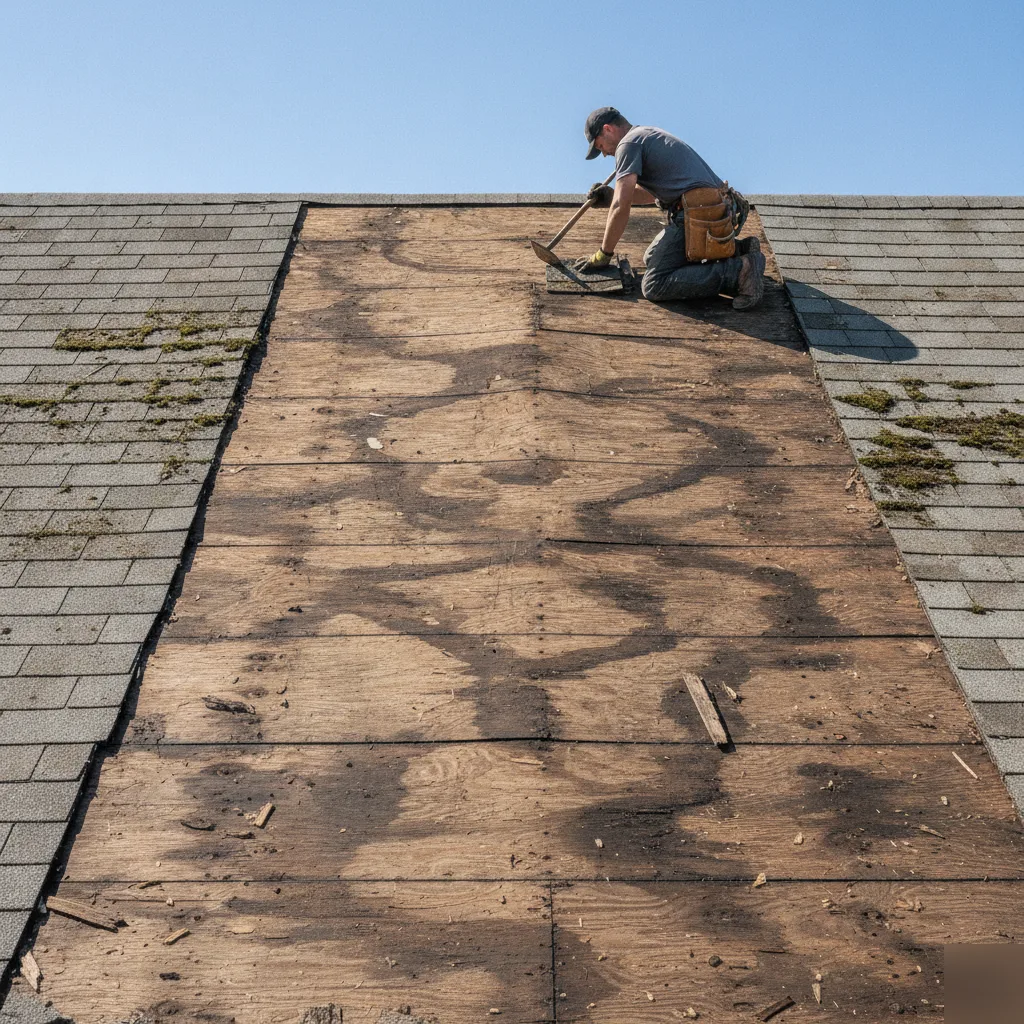
A 20-year-old flat roof system is pushing its luck. TPO, EPDM, PVC membranes, they all have a limit. Once they hit it, every repair is just a Band-Aid. The surface is simply falling apart. You can't fix old age with a patch.
Metal roofing lasts a good deal longer, true. But even a standing seam metal roof shows wear. Fasteners fail. Panels warp. Rust pops up at seams. If you spot several of these problems on an older metal roof, a full replacement gets you a fresh start.
The Moisture Test Doesn't Lie
During a free roof inspection, we always check for trapped moisture. That's the hidden problem. Your roof might seem fine up top, but if the insulation below is soaked, it's eating away your deck from the inside. You can't just air that out with a patch.
We were on a commercial building near East Park last spring, David personally lifted some membrane. The owner figured it was a small leak. What we found? Two inches of sopping wet insulation covering half the roof. That building needed a full flat roof replacement, no two ways about it.
So, how do you figure out where your roof truly stands? Get someone up there who will actually show you the problem. Not a salesperson pushing a huge job. Not someone who just slaps on a patch and vanishes.
If you're noticing any of these red flags on your Mason City property, the smartest move is a professional roof inspection. We'd prefer to find a roof with life left, rather than steer you to a replacement you don't need. But if the signs are clear, we'll give you the facts, plain and simple.