
Mason City, IA & North Iowa
Can a Handyman Fix a Roof Leak in Iowa? | A1 Roofing
What a Handyman Can and Cannot Do on a Roof in Iowa
Let's be blunt. A handyman can handle a few items on your Iowa roof. But doing a few things and really stopping a roof leak are completely different stories.
Iowa law draws a pretty clear line, actually. The Iowa Division of Labor makes us register for any roofing work that's more than just tidying up. A handyman can manage minor stuff around the place. Tacking down a loose piece of flashing, clearing some leaves from gutters, filling a small gap with caulk, sure, that's their speed.
What a handyman cannot legally touch is structural roof repair. And, most roof leaks are structural.
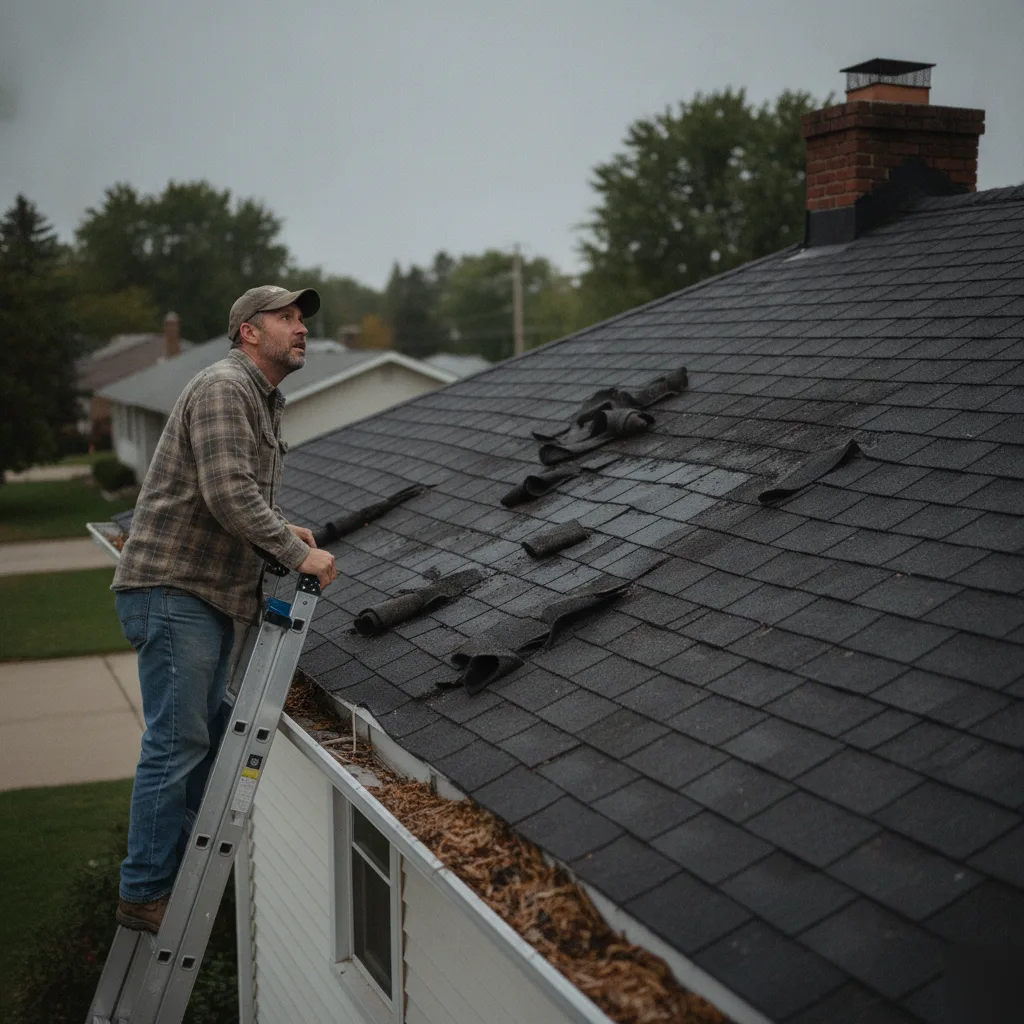
Tasks a Handyman Might Handle
- Swapping out one banged-up shingle or a tiny bit of material.
- Squishing caulk or sealant around a vent pipe.
- Wiping leaves and twigs off a flat roof drain. It's not a tough job.
- Pinning down a bit of loose flashing in a small spot.
These are only ever temporary fixes. We see this all the time in Mason City, people pay a handyman to caulk around a vent boot, then they call us six months later with real water damage inside. The caulk just covered the issue, it never solved it.
Where a Handyman Falls Short
Stopping a roof leak means knowing how water really moves. It doesn't just fall straight down, by the way. Water travels along rafters, collects on decking, or flows sideways beneath membranes. Most contractors won't mention this, but the wet spot on your ceiling is almost never where the leak actually starts.
A handyman lacks the specific training for finding roof leaks. They don't own infrared cameras or moisture meters. They patch what's obvious, they miss the hidden stuff.
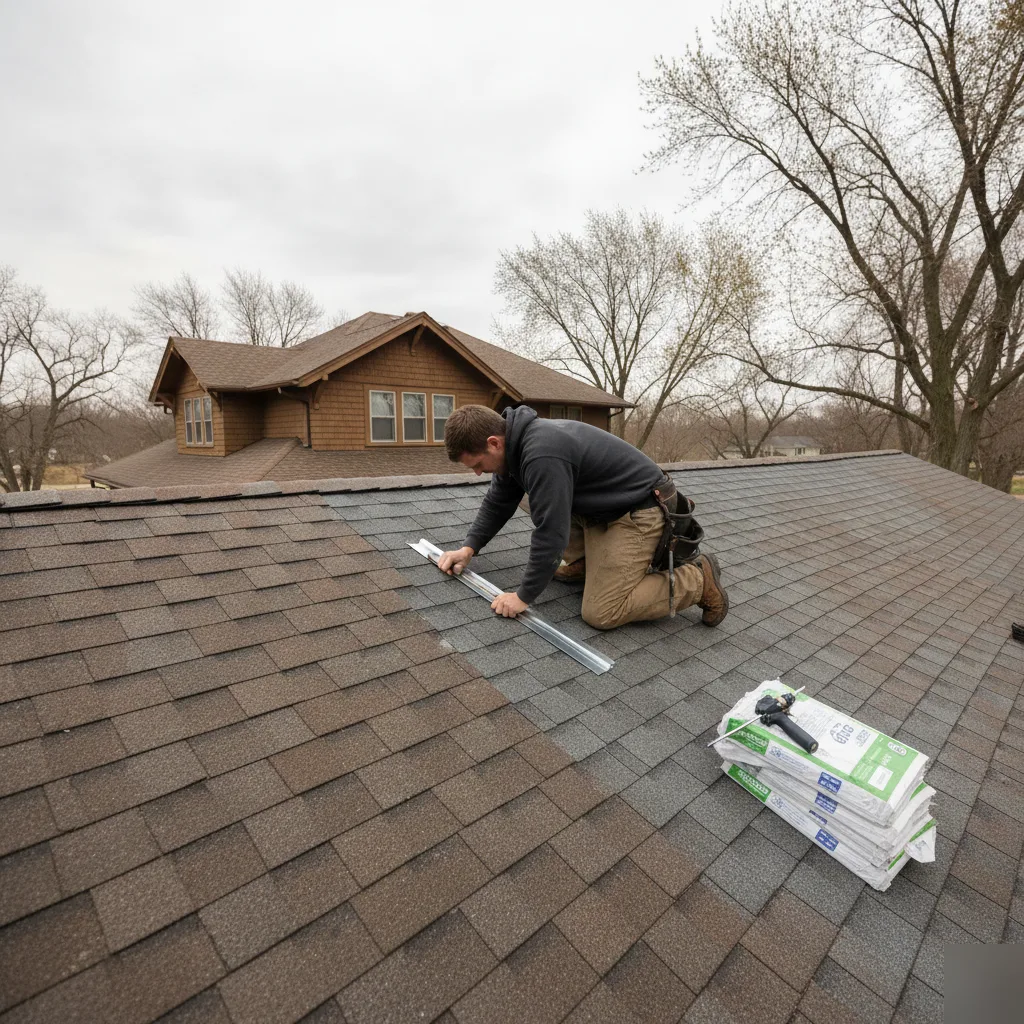
Here's what a licensed roofing contractor does, things a handyman should just not touch:
- Pulling back roofing material to really check the deck below.
- Swapping out rotten or water-logged decking and the stuff beneath it.
- Putting in or replacing waterproofing membranes on flat roofs.
- Fixing storm damage that messes with the roof's main structure.
- Handling all the paperwork for roof insurance claims.
That last point, the insurance paperwork, matters more than most homeowners think. If a handyman does work without proper authorization, your insurance company can just deny your next claim. David and the crew have seen this exact scenario play out. It's never good.
The Licensing Issue
Iowa doesn't make us get a special "roofer's license." But any contractor doing roof work must register with the state. They need solid liability insurance and workers' compensation coverage. A handyman from Facebook or Craigslist? They usually don't have any of it.
So what if someone falls off your roof during the job? You might be stuck with the bill. And if their quick fix causes more water damage, you cover that, too.
Here in Mason City, we face brutal freeze-thaw cycles every year, November through March. Ice dams are a common headache all winter. This kind of intense weather stress needs real roof repair from someone who truly understands how flat roofs, metal systems, and commercial membranes hold up in our specific climate.
A handyman might seem cheaper right now. But the call-backs, new water damage, voided insurance, those bills stack up quickly.
My point is this: if your ceiling is dripping or you see water inside, don't bother with a handyman. You need a proper roof leak repair, someone registered who can find the source, fix the real problem, and make sure your roof stands strong for the next Iowa winter. Not sure where the leak begins? A free roof inspection is the smartest move you can make.
Iowa Licensing Rules Every Homeowner Should Understand Before Hiring
Here's a fact most folks in Mason City miss: Iowa doesn't have a statewide license for general contractors or handymen. That gets a lot of people scratching their heads. The Iowa Division of Labor says there's no general contractor licensing needed at the state level, actually. Some cities have their own rules, of course, but many don't.
So what does that actually mean for you?
It means almost anybody can call themselves a handyman or a contractor in Iowa. There's no test. No board checks their work. That's a real big deal when someone climbs on your roof.
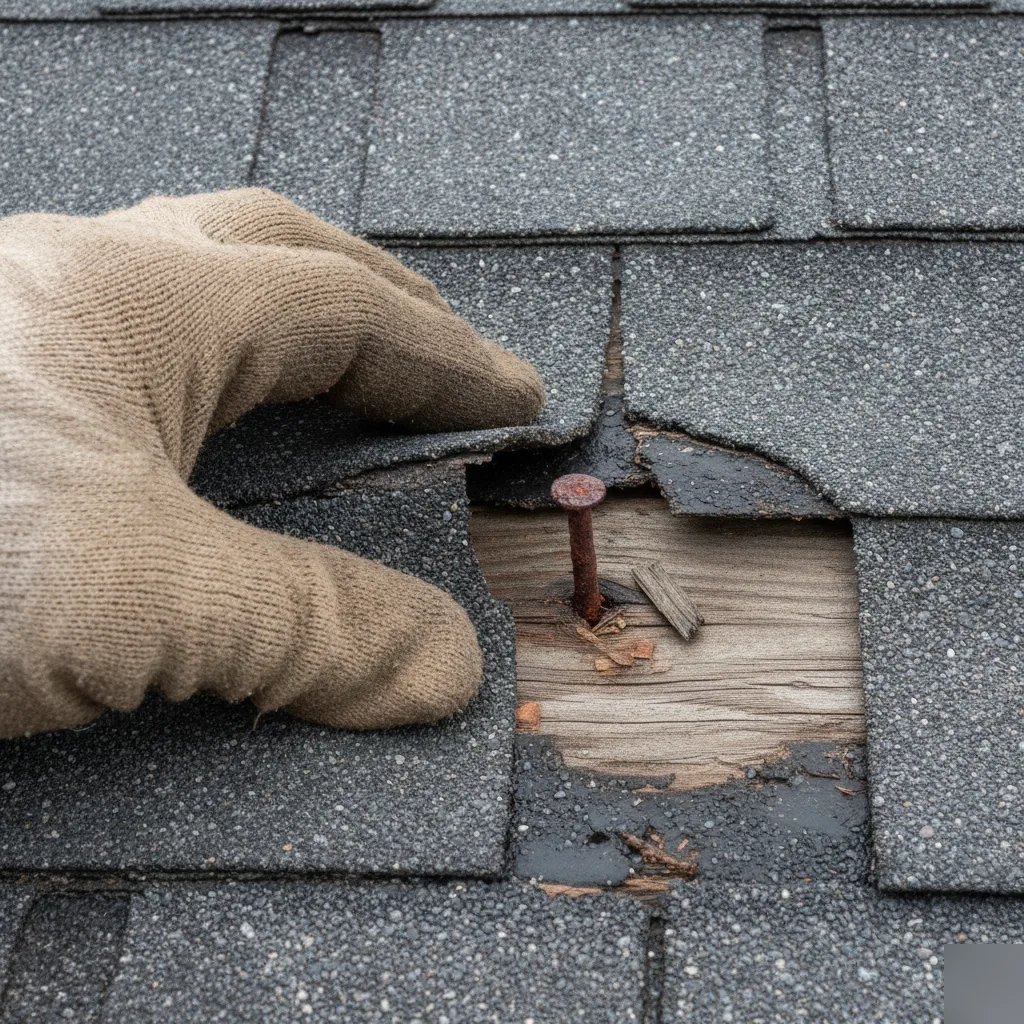
What Iowa Does Require
No general license exists, sure, but Iowa does require registration for contractors tackling residential jobs over a specific dollar amount. The Iowa Contractor Registration Act states any contractor doing residential work costing $2,000 or more needs to register with the state. You should ask for that registration number before anyone sets foot on your roof.
A handyman doing a small patch might sneak under that threshold. But fixing a roof leak usually means more than just smearing caulk on a seam. Materials, labor, proper flashing, those add up. You'll probably blow past that $2,000 mark real quick.
- Get their Iowa contractor registration number before signing a thing.
- Check if their registration is live on the Iowa Division of Labor website.
- Make sure they have general liability insurance and workers' compensation.
- See if your city requires any local permits for roof jobs.
We've seen folks skip every one of these checks, and it almost always costs them down the line.
Insurance Matters More Than a License
Most contractors won't point this out. A registration number doesn't mean they carry insurance. They're totally different things, those two. If an uninsured worker takes a tumble off your roof in Mason City, you might be paying their medical bills. Your homeowner's policy probably won't cover it, believe it or not.
David, our owner, has kept full insurance on every single job for more than two decades. We've watched contractors show up to bid jobs with just a truck and a ladder. No insurance. No registration. And people just don't know they should ask.
Now you know.
Permits for Roof Work in Mason City
Some roof repairs definitely need a city permit. Small patch jobs might not, true. But if your roof leak repair means structural changes or big sections of membrane getting replaced, the city will likely want a permit pulled. This actually protects you. A permitted job gets an inspection, an unpermitted one just slips by.
A handyman usually won't pull permits. Most don't even understand the process. A licensed roofing contractor handles that, it's part of the job. We pull permits when they're needed because ignoring that step creates real headaches later, like when you sell your building or file an insurance claim.
And here's another thing: if storm damage caused your roof leak, your insurance company will expect repairs from a registered, insured professional. Trying to file a roof insurance claim with paperwork from an unregistered handyman? That claim won't move an inch.
The point is this: Iowa's lax rules make it simple for anyone to offer roof work. That means you're responsible for checking who you hire. Check their registration. Confirm their insurance. Ask about permits. If they duck any of those questions, you've got your answer.
How North Iowa's Climate Makes Roof Leaks More Complex Than They Look
Most folks figure a roof leak is just a simple hole. Patch it, done. But in Mason City, our weather simply doesn't play that game.
We battle freeze-thaw cycles that really hammer roofing materials from November through March. Water slips into a tiny crack when temps creep above freezing during the day. Then it freezes solid overnight. That ice pushes, the crack grows. This goes on dozens of times all winter. By spring, what began as a hairline gap becomes a serious issue.
And it's not only the cold. Mason City sits right in a path that gets hit with serious wind and hail. NOAA's Storm Events Database shows Cerro Gordo County has seen many severe hail events lately. Those storms don't always leave obvious holes in your roof. Sometimes they just mess up the seal on flashing or lift a seam on a flat roof membrane. You won't spot it from the ground, but you'll certainly notice when water starts showing up inside.
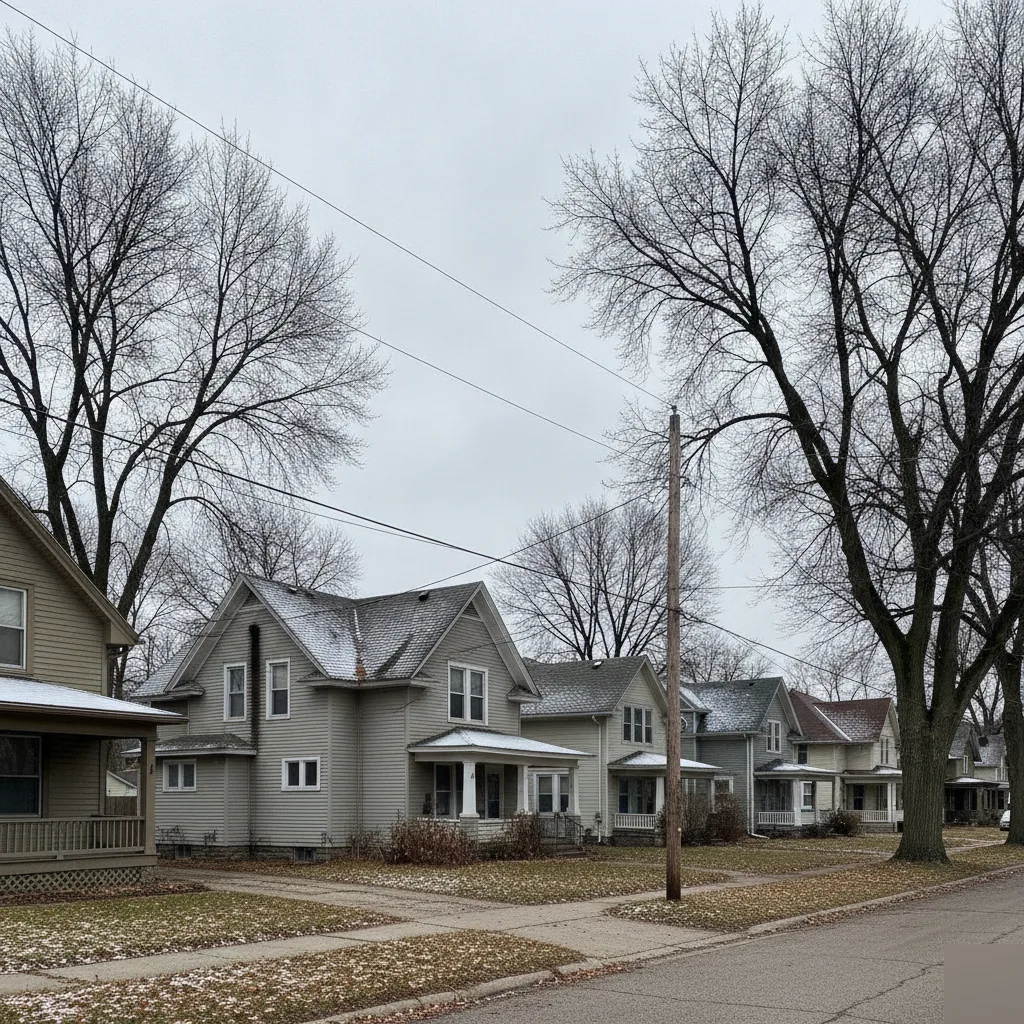
Ice Dams Are a Mason City Classic
Here's a secret most contractors keep quiet. That leak you find in February? It's often not where the real damage lives. Ice dams pile up along the roof's edge when warmth leaks out of your building. Snow melts higher up, flows down, then turns to ice at the eave. Water then creeps backward under the roofing, finding its way inside.
A handyman might spot the water stain on your ceiling and just caulk something on the roof right there. But the actual entry point could be ten feet off, or more. We've seen exactly what happens when that kind of detail is overlooked. The real problem just keeps dripping all winter. Iowa State University Extension recommends that homeowners review Iowa home roof inspection tips to better understand what to look for after severe weather events.
Summer Brings Its Own Problems
North Iowa summers really hit flat roofs hard. Constant UV exposure degrades roof coatings over time. Water that ponds after heavy rains just sits on flat commercial roofs, then slips into the seams. The big swings, a 95-degree afternoon, then a 60-degree night, make materials expand and contract nonstop.
These are the exact conditions that make roof leak repair here far more involved than most expect. It's almost never an easy fix.
- Winter freeze-thaw cycles crack flashing, they open up seams on flat and metal roofs.
- Ice dams force water backward beneath roof materials, making leaks show up far from the visible spot.
- Spring and summer hail hurts membrane integrity without leaving clear marks.
- UV rays and standing water degrade flat roof surfaces all summer long.
- High winds loosen fasteners on metal roofs, they lift edges on single-ply membranes.
Every single one of those problems needs someone who knows exactly what to look for. A general handyman might see the sign. But figuring out the actual cause takes real roof leak detection experience, plus knowing how these materials act in our North Iowa climate.
David has been up on roofs all over Mason City and the areas nearby for years. The patterns become pretty clear once you've seen them enough. A TPO seam failing near East Park, for example. Or a metal roof panel on a commercial building downtown that's lifted just enough to let wind-driven rain sneak in. These aren't guesses. These are things we find during free roof inspections all the time.
So when someone asks if a handyman can fix their roof leak, the real answer depends on whether that handyman truly gets what North Iowa weather does to a roof. Most don't. And that's not a put-down of handymen, either. It's just not their specific expertise.